la voz flamenca
FLAMENCO NEWS

FLAMENCO NEWS
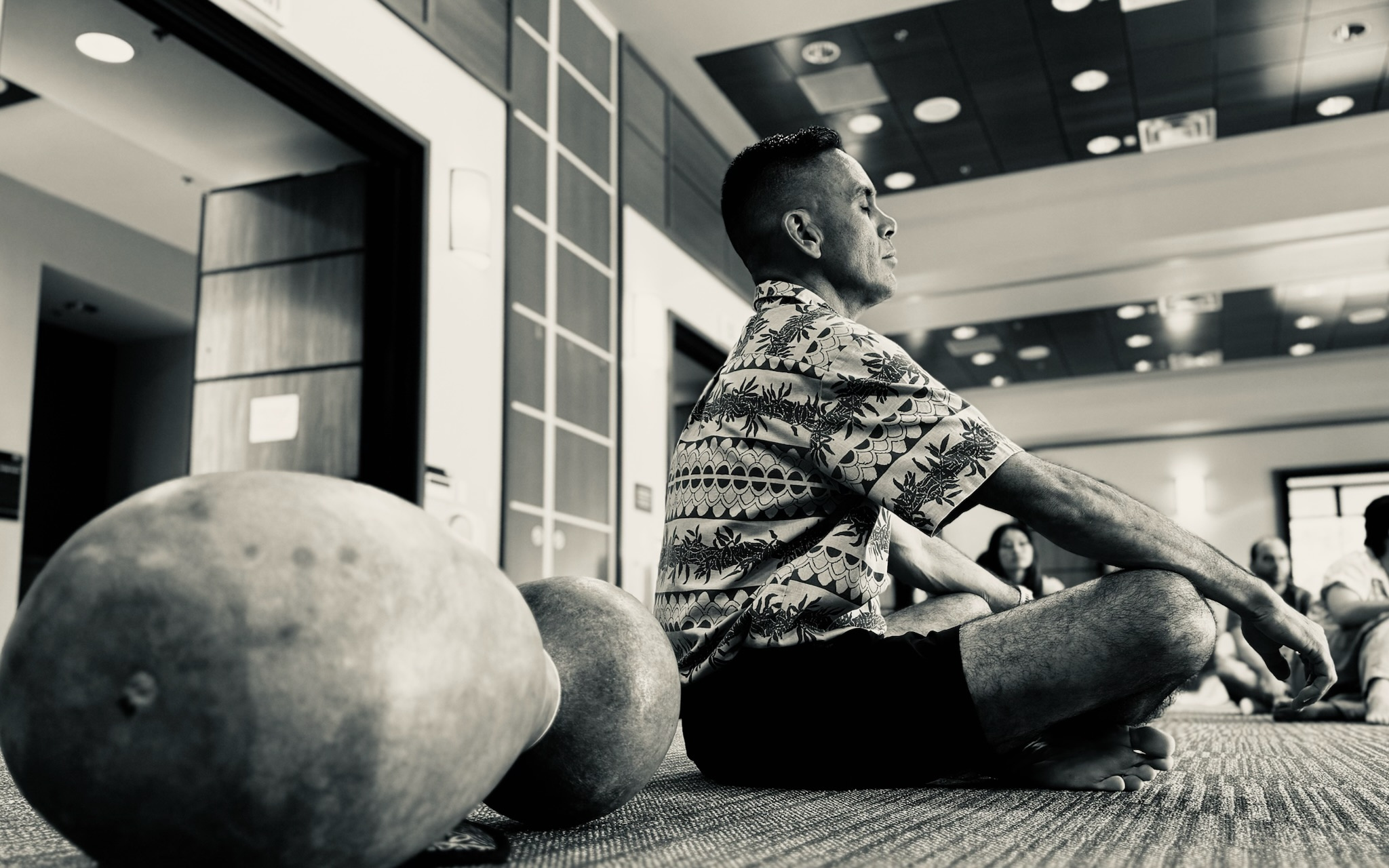
Earlier this spring, Flamenco Vivo had the incredible opportunity to spend two weeks in Hawai‘i—a first for the Company! Following four performances of Quinto Elemento and a series of masterclasses at the Maui Arts & Cultural Center, the University of Hawai‘i at Hilo, the Kahilu Theatre in Waimea, and the Hawai‘i Theatre Center in Honolulu, we returned to the Big Island for three unforgettable days of cross-cultural exchange between flamenco and hula.
READ FULL PIECE
Earlier this spring, Flamenco Vivo had the incredible opportunity to spend two weeks in Hawai‘i—a first for the Company! Following four performances of Quinto Elemento and a series of masterclasses at the Maui Arts & Cultural Center, the University of Hawai‘i at Hilo, the Kahilu Theatre in Waimea, and the Hawai‘i Theatre Center in Honolulu, we returned to the Big Island for three unforgettable days of cross-cultural exchange between flamenco and hula.
Our first morning began on the UH Hilo campus with Pelehonuamea and Kekoa Harman, Kumu Hula of Hālau I Ka Leo Ola O Nā Mamo for a session on their hula lineage, oral tradition and the importance of relationships (familial/and non-familial) in passing down the art forms.
Pele is UH Hilo’s inaugural director of Native Hawaiian engagement and Kekoa is an Associate Professor of Hawaiian Studies and Language. They’ve dedicated their lives to the revitalization of Hawaiian language and culture and as revered practitioners of their art form, it was incredible to learn from them first hand.
Pele shared her hula lineage and how the practice was passed down to her by way of her great grandmother Mary Kawena Pukui. Pele then translated A Hilo Au, one of the melé (chants) and taught us the dance that accompanies it. She explained the significance of each stanza and how it relates to Hilo and the Big Island – the ʻŌhiʻa Lehua (a vibrant red flower known for its ability to thrive in volcanic landscapes), a plain in Haili inhabited by birds, the deadly man holes in the river at Wailuku, and more. These chants not only tell a story or describe a place but they pass down wisdom and warnings and are a central component of hula’s oral history.
[video_player file=”https://flamenco-vivo.org/wp-content/uploads/2025/05/IMG_6818.mp4″]
Information flowed through many channels that morning – in spoken language translated from Native Hawaiian, to English, to Spanish, and back – but also through gaze, vocalization in the chanting and the physical gestures that help tell the story.
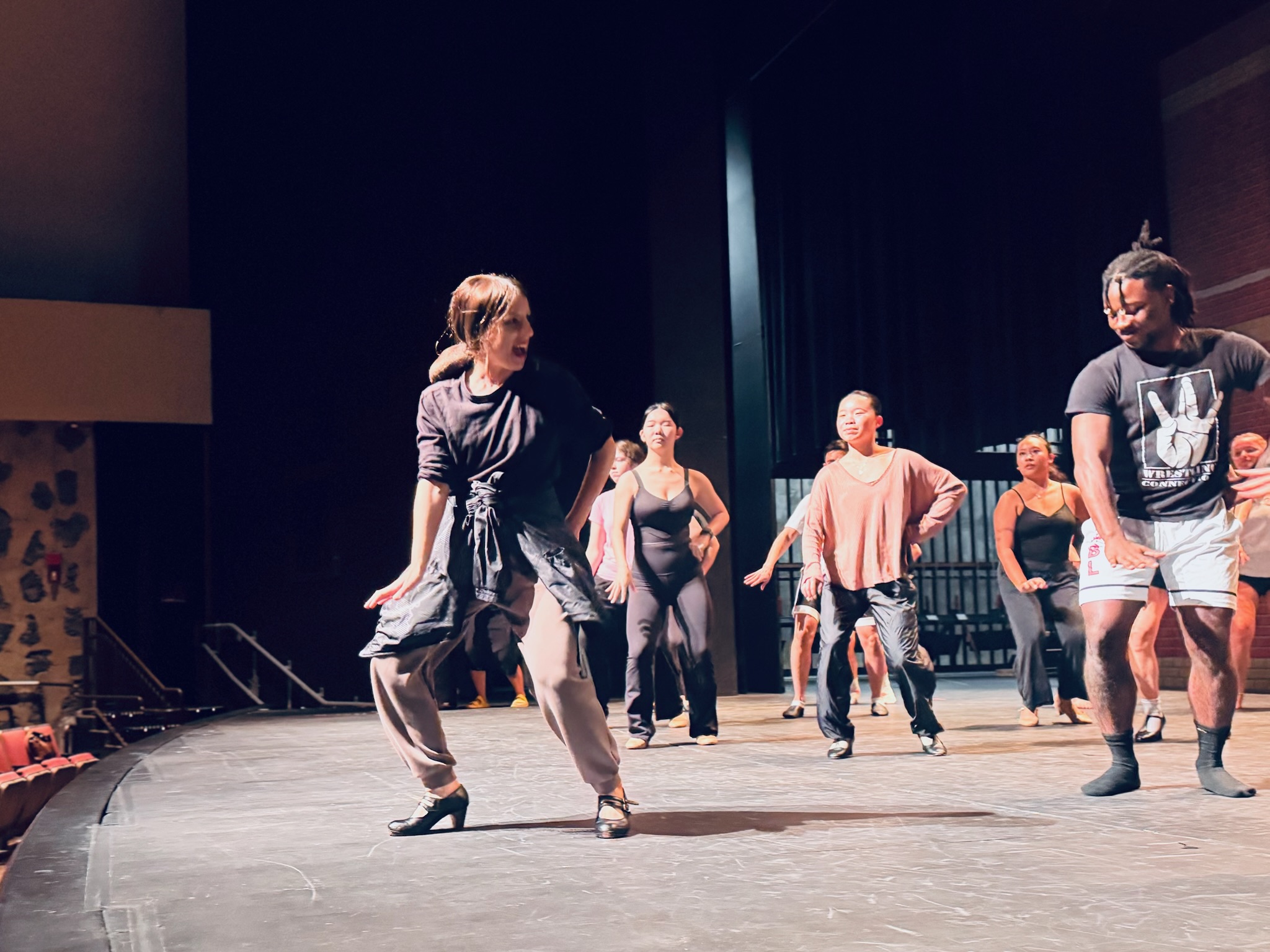
Afterwards, Flamenco Vivo’s artists improvised por bulerias and answered questions about flamenco’s structure and cultural history. We continued the discussion informally over a delicious lunch and got to learn more about the students who study at the halau.
That afternoon, we headed back to the Performing Arts Center where Flamenco Vivo performed a lecture demonstration for University students and audience members who had attended our performance of Quinto Elemento the previous week. Lorena Franco led a dance workshop for the UH Hilo Dance students where they learned a letra por tangos and had a chance to perform for each other accompanied by guitarist Antonio Gonzalez and singer Manuel Soto. That evening, the Dance Department students showcased Haliʻa Aloha No Kaimu by faculty member Kea Kapahua and The Last Oʻo, a collaborative choreography created by the students.
The next morning, Kea and the students took us to Kaimu Beach, an area south of Hilo on the Big Island that was completely covered by lava flow during the 2018 eruption. This was Kea’s home and the place referenced in the choreography we saw the night before. She shared more about the history of Kaimu, her family’s connections there and how the land influenced her work. She taught us some basic chants connected with the waves and the students performed the chants they used in the choreography. During this visit we learned that one of the UH Hilo students was originally from New York City and participated in Flamenco Vivo’s arts education programs at Repertory Company High School with Teaching Artist Arielle Rosales. It was incredible to discover that connection over 4,800 miles away from home!
[video_player file=”https://flamenco-vivo.org/wp-content/uploads/2025/05/IMG_1804-1.mp4″]
On the final day, The Company was taken on a tour of Volcano National Park led by UH Hilo Geology Professor and Vulcanologist Cheryl Gansecki, PhD. and Kama, a cultural expert/geology student. Although Kīlauea—the only currently active volcano in Hawai‘i—had been erupting periodically since December (with two episodes occurring during our stay!), there was no eruption happening during our tour. Still, we viewed the caldera and watched steam rise from active vents, learned about Pele’s hair—a delicate volcanic glass formed during eruptions—and explored the Thurston Lava Tube.
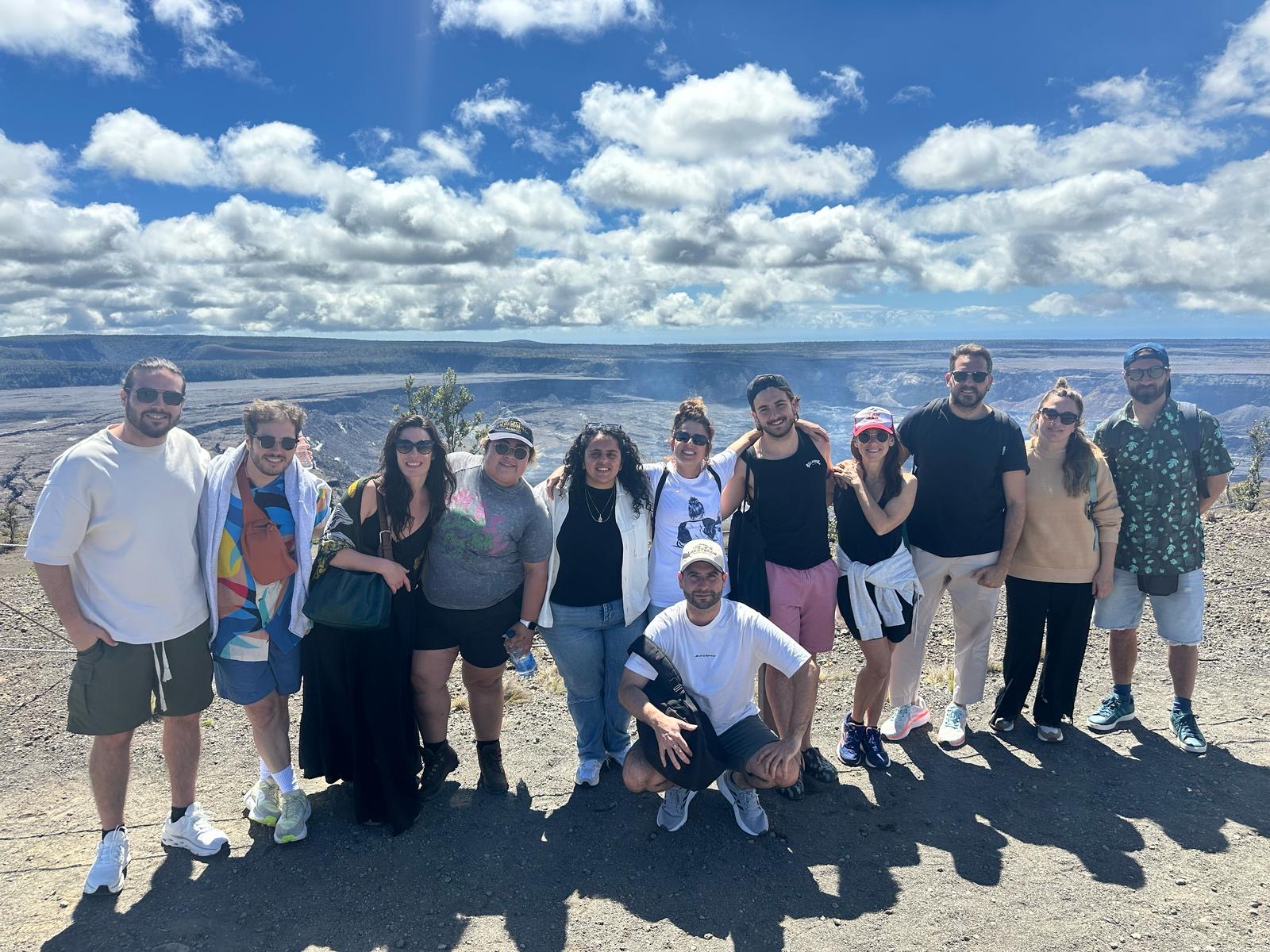
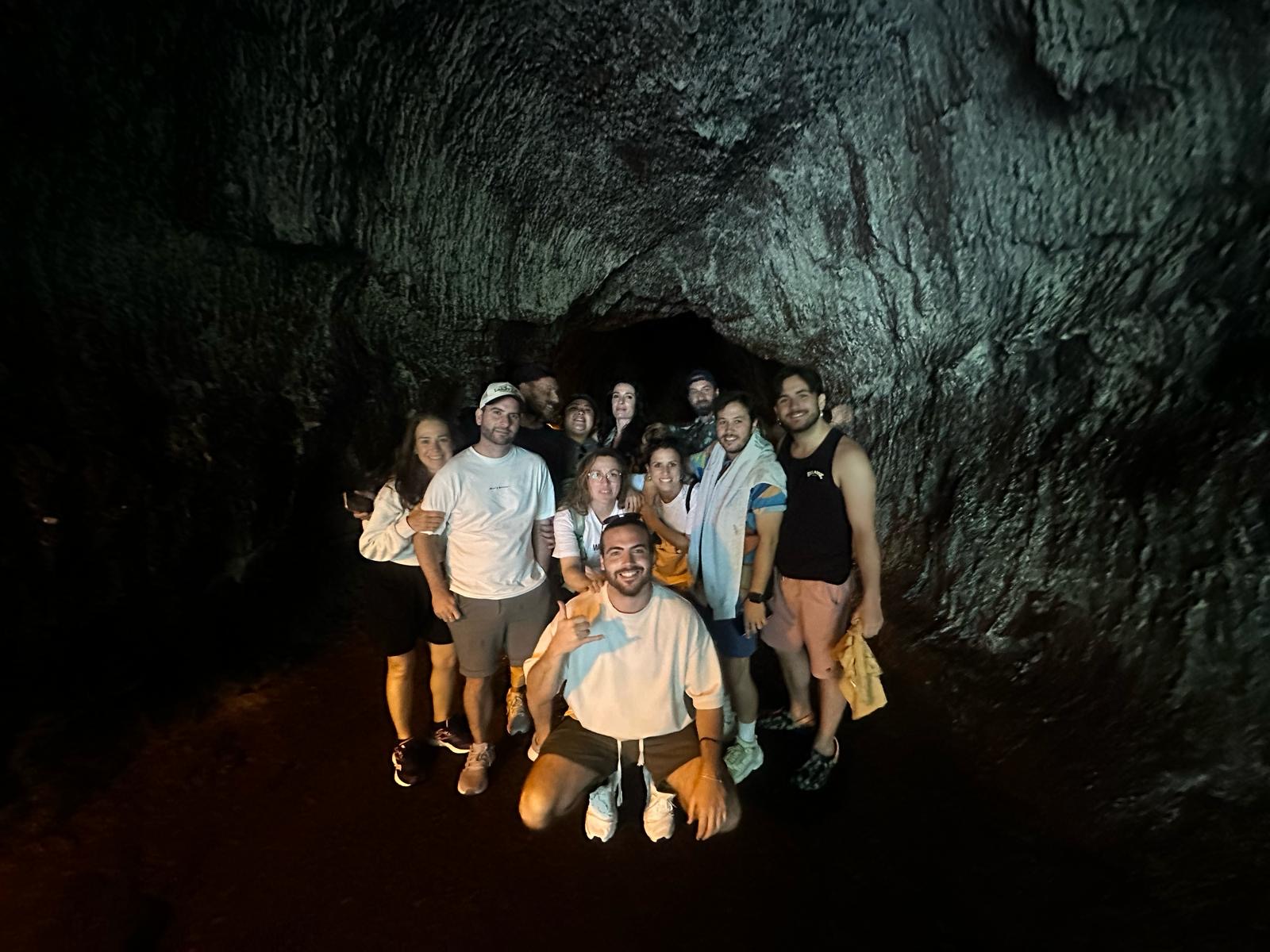
This experience profoundly deepened our understanding of hula, Native Hawaiian culture, and language, while also offering moving points of connection to flamenco. We are deeply grateful to the artists, scholars, and students who welcomed us with such warmth and aloha. Their generosity in sharing their stories, their art, and their histories touched us deeply, and their open-hearted spirit will stay with us always. Mahalo, mil gracias y hasta la próxima!
A special thank you to Lee Barnette-Dombroski for coordinating the entire exchange and the New England Foundation for the Arts’ National Dance Project, with lead funding from the Doris Duke Foundation and the Mellon Foundation for the financial resources to make this possible.
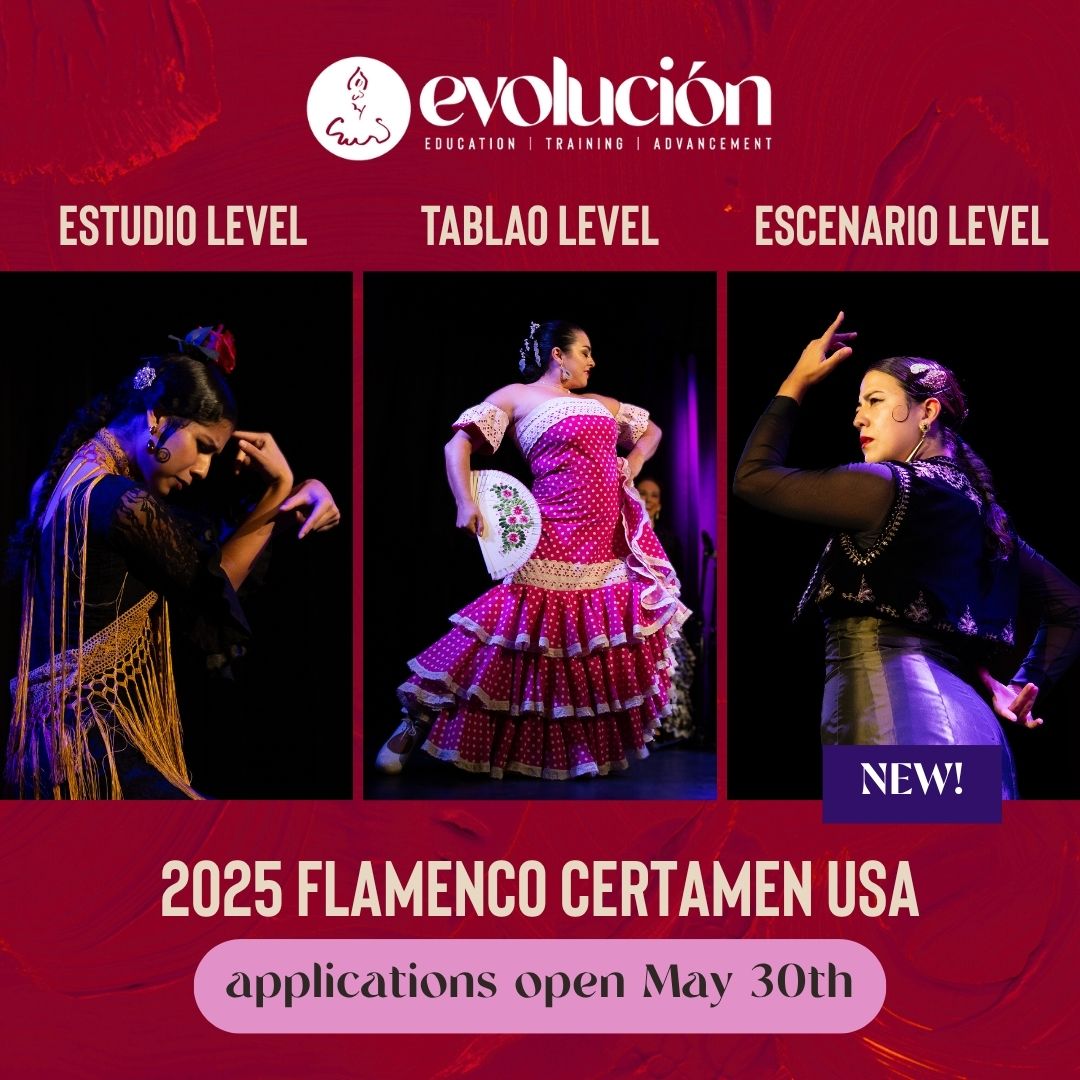
We are thrilled to announce that we will be adding a new level this year! The competition will now include Escenario level for professional flamenco artists in addition to our Estudio and Tablao levels. We want to celebrate our 11th annual Certamen by bringing artists of all experiences together for the opportunity to showcase their growing artistry and win cash prizes and scholarships to study and perform across the world. The Flamenco Certamen supports rising flamenco artists in their ongoing evolution by providing one-on-one mentorship from international flamenco professionals, workshops, and exposure to a network of global flamenco artists.
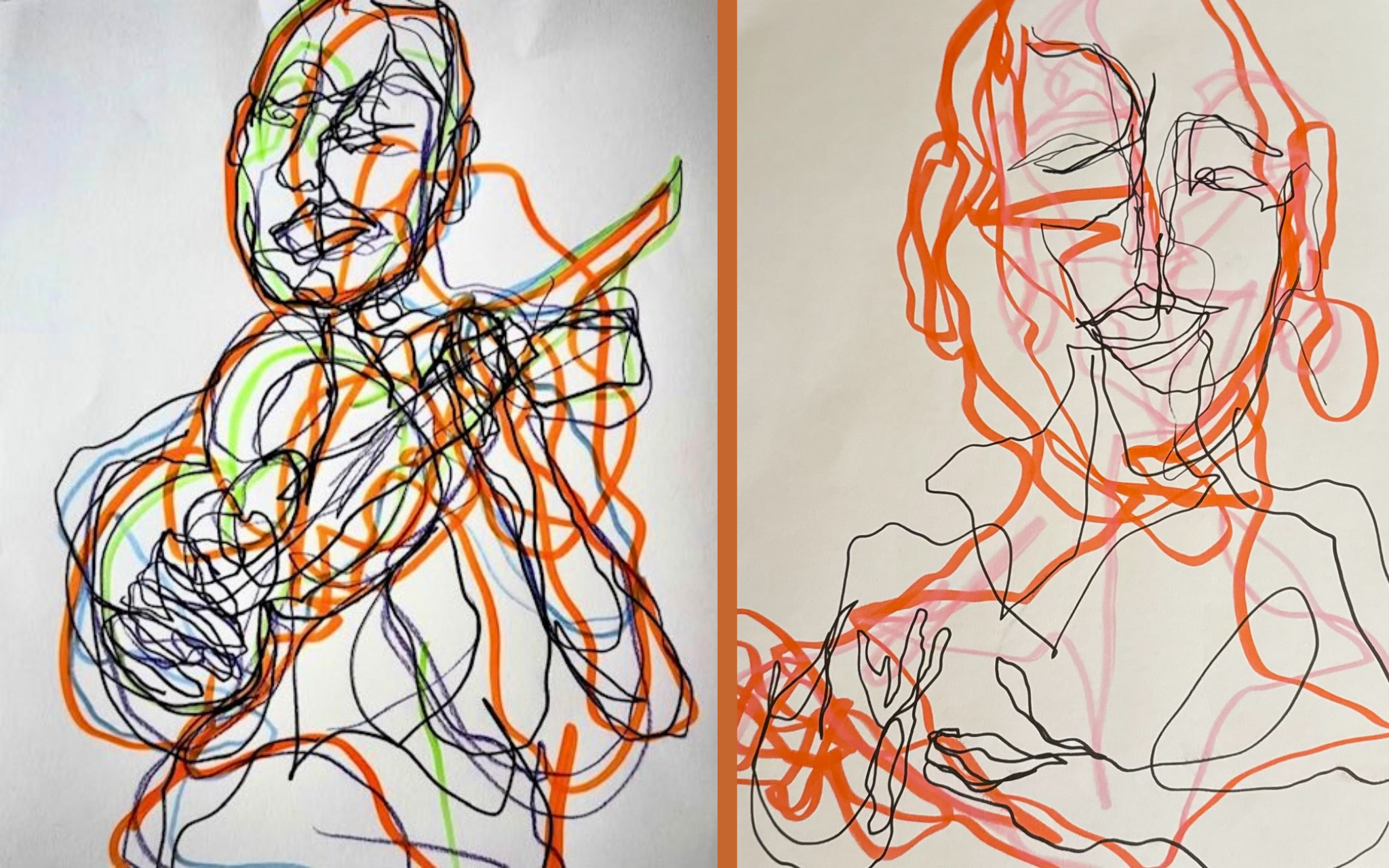
Last month we hosted an intimate private performance in NYC and held a silent auction of Sima Schloss’ live drawings in her signature gestural figurative style. Proceeds of the auction help benefit our mission of promoting flamenco as a living art form and a vital part of Hispanic heritage and nurturing the next generations of Spanish dance artists and educators. The connection between performers, artist and audience was truly magical! Muchisimas gracias to Sima for donating your time and talent and our Board Member Jose Fernandez for organizing the event!
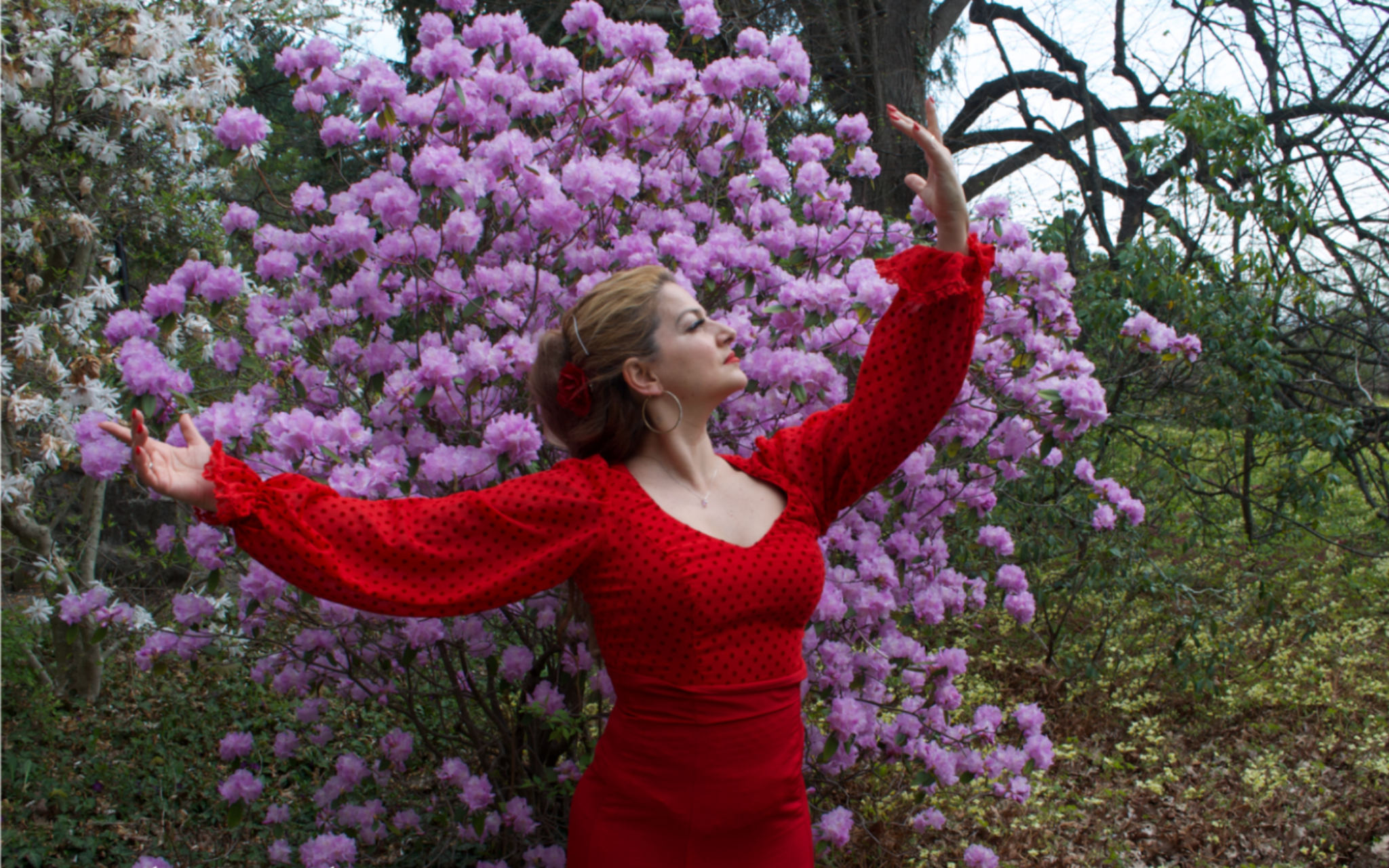
Season of Grace, is a free performance where some of New York’s most beloved flamenco artists will come together to share powerful stories through rhythm, song, and movement. This is a tribute to the women who have shaped flamenco in our city — and an offering of inspiration to women of every generation. In this intimate gathering, you’ll witness flamenco’s raw and radiant force — where every step and every strum speaks of transformation, self-acceptance, and the grace that comes with embracing who we are.
Featuring Legendary NYC Flamenco Artists:
Raphael Brunn (Guitarist & Creator), Aurora Reyes, Juana Cala, Maya de Silva, Liliana Morales (Dancers), Cristina Brunn (Narrator), Yloy Ybarra (Stage Manager & Co-Director) and Sol Koeraus (Dancer, Singer, Director & Creator)
Season of Grace was made possible in part with public funds from the New York City Department of Cultural Affairs in partnership with the City Council, administered by Brooklyn Arts Council.
READ TESTIMONIAL FROM MAYA DE SILVA
I was thrilled to perform in Sol Koeras and Danza España’s show Fuerza Flamenca, which ran from March 28th to April 13th at the Thalia Spanish Theater. We are about to do a FREE reprise performance at the Brooklyn Heights Public Library, 286 Cadman Plaza West on June 6th at 4pm. In preparation for this extraordinary show honoring some important female figures in NYC flamenco, we performers were asked to respond to series of prompts. What I wrote has helped me figure out where I am, and centered me, as I continue to develop my artistic practice. Here are some of my responses:
What is Flamenco to you?
Flamenco speaks to and expresses our deepest humanity. As flamencos, we are part of a global tribe that crosses cultures.
Being this type of dancer means that you are part of the music. When footwork vibrates in the bones, with music in ears, the space between musicians and the dancer contracts. Occasionally, I have experienced a symbiosis between my dance and the
musicians where we influence each other in real time; it is a magic so profoundly gratifying, that to recapture this dynamic loop of energy is always my goal.
Flamenco allows me to express lightness and joy, but also darker elements of myself, which haven’t always been seen as feminine qualities. As I age and grow as a flamenco artist, I become less willing to suffer abuse and slander.
What are some of the significant challenges you have faced as an aging artist in a youth-centric society?
I’m not going to lie, this is a huge challenge. When we olders are left off the stage, the memory of the ecstatic state I’ve just
described, recedes into the past and we miss the bliss of feeling duende onstage. And yet we need validation and approval. The applause became my opium, for which I still jones. So, I must make my own scene.
I continue to study, gently train, travel, watch and listen. I am striving to establish myself as a singer, a daunting task to approach with great respect. When I have a performance opportunity I must remember to accommodate my older body. I take more time to warm-up. Sometimes I think I should let go of the idea that I am a dancer, but I cannot. This is an ongoing struggle, with time, gravity, and an evil voice in my head.
How has your approach to flamenco evolved over the years? How has your maturity and experience enhanced your performance?
Having my heart broken, losing my father and sisters, seeing the exquisite beauty and variety in the world, witnessing my child mature, seeing injustice and disaster; all these have deepened my capacity for expression. Every show I’ve ever seen, every class I’ve ever taken, all influence me in some unknown way.
The best artists are noble, yet humble. They can open their hearts and share their most intimate selves with the audience.
It is my personality, not the complexity of my footwork, that is going to win over the public.
There is nobody else in the world who is me.
I encourage older people to keep doing their art. Love yourself!
Value your own wisdom and gifts, and the years you’ve spent building your expertise. Live lifeas an art project.
Dare to be different. We are dust, only animated for a short time, so be memorable, and don’t take yourself too seriously!
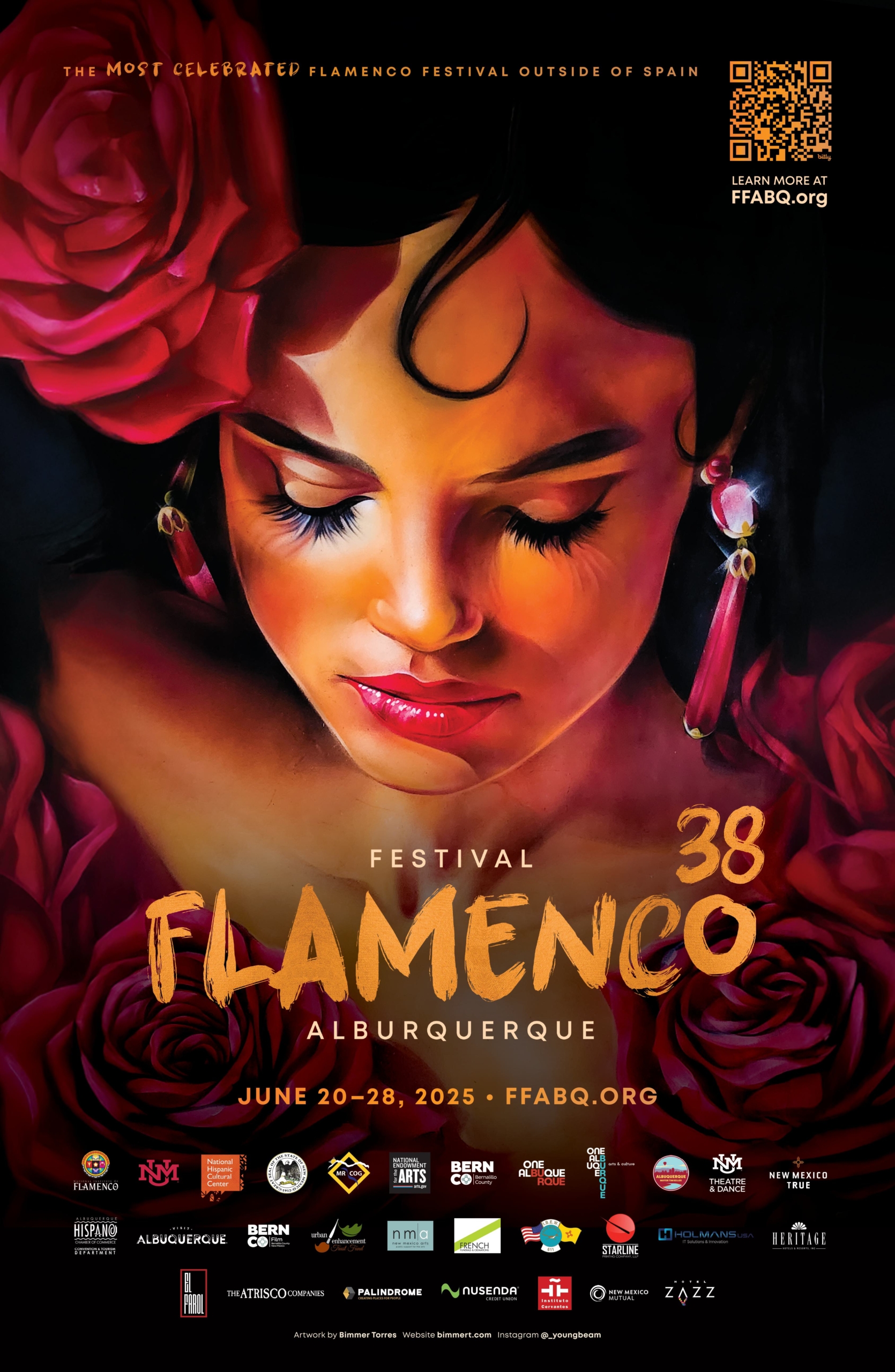
Answer: Festival Flamenco Alburquerque
 https://flamenco-vivo.org/wp-content/uploads/2023/02/Untitled-design-3.png
230
370
Puma Guerrero
https://flamenco-vivo.org/wp-content/uploads/2025/03/Secondary-Horisontal-Logo-WHITE.png
Puma Guerrero2026-01-14 23:53:112026-01-15 21:00:30Jan ’26 #1: La Voz Flamenca: Karen Lugo on En Comunidad, Alice Lawhorn, & More!
https://flamenco-vivo.org/wp-content/uploads/2023/02/Untitled-design-3.png
230
370
Puma Guerrero
https://flamenco-vivo.org/wp-content/uploads/2025/03/Secondary-Horisontal-Logo-WHITE.png
Puma Guerrero2025-10-31 14:55:202025-12-02 00:01:15Oct ’25 #2: La Voz Flamenca: Certamen Winners, Raquel Heredia in NYC, Farruquito Documentary, & More!
https://flamenco-vivo.org/wp-content/uploads/2023/02/Untitled-design-3.png
230
370
Hanaah Bates
https://flamenco-vivo.org/wp-content/uploads/2025/03/Secondary-Horisontal-Logo-WHITE.png
Hanaah Bates2025-08-05 18:23:042025-08-07 16:51:34Aug ’25 #1: Madrid Certamen Winners, Multilingual Learners, & More!
https://flamenco-vivo.org/wp-content/uploads/2023/02/Untitled-design-3.png
230
370
Hanaah Bates
https://flamenco-vivo.org/wp-content/uploads/2025/03/Secondary-Horisontal-Logo-WHITE.png
Hanaah Bates2025-07-23 00:55:032025-07-23 14:21:35July ’25 #2: Evolución Applications, Summer Intensive, & More!
https://flamenco-vivo.org/wp-content/uploads/2023/02/Untitled-design-3.png
230
370
Hanaah Bates
https://flamenco-vivo.org/wp-content/uploads/2025/03/Secondary-Horisontal-Logo-WHITE.png
Hanaah Bates2025-07-08 18:45:072025-07-09 15:23:31July ’25 #1: Flamenco Podcast, Community Event, & More!
https://flamenco-vivo.org/wp-content/uploads/2023/02/Untitled-design-3.png
230
370
Hanaah Bates
https://flamenco-vivo.org/wp-content/uploads/2025/03/Secondary-Horisontal-Logo-WHITE.png
Hanaah Bates2025-06-12 19:52:462025-06-25 14:30:47June ’25 #1: Company Announcement, Certamen Prizes, & More!
https://flamenco-vivo.org/wp-content/uploads/2023/02/Untitled-design-3.png
230
370
Hanaah Bates
https://flamenco-vivo.org/wp-content/uploads/2025/03/Secondary-Horisontal-Logo-WHITE.png
Hanaah Bates2025-05-29 01:29:392025-06-10 18:54:02May ’25 #2: Hula and Flamenco, New Certamen Level, & More!
https://flamenco-vivo.org/wp-content/uploads/2023/02/Untitled-design-3.png
230
370
Hanaah Bates
https://flamenco-vivo.org/wp-content/uploads/2025/03/Secondary-Horisontal-Logo-WHITE.png
Hanaah Bates2025-05-13 14:49:472025-05-14 17:00:39May ’25 #1: Artist in Residence Announced, NEA Grant Terminations, & More!
https://flamenco-vivo.org/wp-content/uploads/2023/02/Untitled-design-3.png
230
370
Studio
https://flamenco-vivo.org/wp-content/uploads/2025/03/Secondary-Horisontal-Logo-WHITE.png
Studio2025-04-29 16:43:302025-04-30 00:59:02Apr ’25 #1: Remembering Briseyda Zárate, an Intimate Flamenco Music Experience, & More!
https://flamenco-vivo.org/wp-content/uploads/2023/02/Untitled-design-3.png
230
370
Studio
https://flamenco-vivo.org/wp-content/uploads/2025/03/Secondary-Horisontal-Logo-WHITE.png
Studio2025-03-06 18:08:042025-03-06 19:58:08Mar ’25 #1: A Reflection on Roots, Learn from Yoel Vargas, & More!
https://flamenco-vivo.org/wp-content/uploads/2023/02/Untitled-design-3.png
230
370
Studio
https://flamenco-vivo.org/wp-content/uploads/2025/03/Secondary-Horisontal-Logo-WHITE.png
Studio2025-01-09 18:02:312025-01-09 19:01:56Jan ’25 #1: 25 to Watch Artists, Join Us at LPR, & More!
https://flamenco-vivo.org/wp-content/uploads/2023/02/Untitled-design-3.png
230
370
Studio
https://flamenco-vivo.org/wp-content/uploads/2025/03/Secondary-Horisontal-Logo-WHITE.png
Studio2024-12-11 19:42:312024-12-12 18:37:21Dec ’24 #1: Flamenco Holiday Fiesta, Farruco Festivities, & More!
https://flamenco-vivo.org/wp-content/uploads/2023/02/Untitled-design-3.png
230
370
Studio
https://flamenco-vivo.org/wp-content/uploads/2025/03/Secondary-Horisontal-Logo-WHITE.png
Studio2024-11-25 21:56:472024-12-11 17:10:49Nov ’24 #2: Artist in Residence Announced, Latin Grammys, & More!
https://flamenco-vivo.org/wp-content/uploads/2023/02/Untitled-design-3.png
230
370
Studio
https://flamenco-vivo.org/wp-content/uploads/2025/03/Secondary-Horisontal-Logo-WHITE.png
Studio2024-10-04 17:02:382024-10-04 17:02:38Oct ’24 #1: Certamen Finalists Announced, Yasmina at Alegrías, & More!
https://flamenco-vivo.org/wp-content/uploads/2023/02/Untitled-design-3.png
230
370
Studio
https://flamenco-vivo.org/wp-content/uploads/2025/03/Secondary-Horisontal-Logo-WHITE.png
Studio2024-09-12 16:58:252024-09-12 17:15:00Sep ’24 #1: Remembering María Benítez, Company Named NDP Grantee, & More!
https://flamenco-vivo.org/wp-content/uploads/2023/02/Untitled-design-3.png
230
370
Studio
https://flamenco-vivo.org/wp-content/uploads/2025/03/Secondary-Horisontal-Logo-WHITE.png
Studio2024-08-23 04:56:572024-08-23 18:59:24Aug ’24 #1: NYC Flamenco Flashmob, Mysterious Spanish Film, & More!
https://flamenco-vivo.org/wp-content/uploads/2023/02/Untitled-design-3.png
230
370
Studio
https://flamenco-vivo.org/wp-content/uploads/2025/03/Secondary-Horisontal-Logo-WHITE.png
Studio2024-07-25 16:41:172024-07-25 16:43:11July ’24 #2: Cuadro Apps Open, Company Featured in Fashion Book, & More!
https://flamenco-vivo.org/wp-content/uploads/2023/02/Untitled-design-3.png
230
370
Studio
https://flamenco-vivo.org/wp-content/uploads/2025/03/Secondary-Horisontal-Logo-WHITE.png
Studio2024-07-12 02:56:182024-07-13 15:54:45July ’24 #1: Manolo Rivera, West Coast Report, & More!
https://flamenco-vivo.org/wp-content/uploads/2023/02/Untitled-design-3.png
230
370
Studio
https://flamenco-vivo.org/wp-content/uploads/2025/03/Secondary-Horisontal-Logo-WHITE.png
Studio2024-06-27 03:16:442024-06-27 17:59:33Jun ’24 #2: Emilio Ochando Named Associate Artistic Dir., Historic Album Release, & More!
https://flamenco-vivo.org/wp-content/uploads/2023/02/Untitled-design-3.png
230
370
Studio
https://flamenco-vivo.org/wp-content/uploads/2025/03/Secondary-Horisontal-Logo-WHITE.png
Studio2024-06-06 19:57:482024-06-21 20:00:27Jun ’24 #1: Commissioning Patricia Guerrero, Queer Flamenco, & More!
https://flamenco-vivo.org/wp-content/uploads/2023/02/Untitled-design-3.png
230
370
Studio
https://flamenco-vivo.org/wp-content/uploads/2025/03/Secondary-Horisontal-Logo-WHITE.png
Studio2024-05-23 15:27:072024-06-27 03:22:36May ’24 #2: Certamen Apps Open, Multi-Instrumentalist Spotlight, & More!
https://flamenco-vivo.org/wp-content/uploads/2023/02/Untitled-design-3.png
230
370
Studio
https://flamenco-vivo.org/wp-content/uploads/2025/03/Secondary-Horisontal-Logo-WHITE.png
Studio2024-05-09 00:17:432024-06-27 03:26:36May ’24 #1: Blackbird Debut, Artists Reimagining Flamenco, & More!
https://flamenco-vivo.org/wp-content/uploads/2023/02/Untitled-design-3.png
230
370
Studio
https://flamenco-vivo.org/wp-content/uploads/2025/03/Secondary-Horisontal-Logo-WHITE.png
Studio2024-04-25 16:38:462024-04-25 16:38:46Apr ’24 #1: Performing at Hollywood Bowl, What Cultural Heritage Means, & More!
https://flamenco-vivo.org/wp-content/uploads/2023/02/Untitled-design-3.png
230
370
Studio
https://flamenco-vivo.org/wp-content/uploads/2025/03/Secondary-Horisontal-Logo-WHITE.png
Studio2024-03-29 06:43:152024-03-29 06:45:08Mar ’24 #2: Mariano Parra & More!
https://flamenco-vivo.org/wp-content/uploads/2023/02/Untitled-design-3.png
230
370
Studio
https://flamenco-vivo.org/wp-content/uploads/2025/03/Secondary-Horisontal-Logo-WHITE.png
Studio2024-03-14 05:44:202024-03-14 14:11:39Mar ’24 #1: On Tour, The Importance of Arts Ed, & More!
https://flamenco-vivo.org/wp-content/uploads/2023/02/Untitled-design-3.png
230
370
Studio
https://flamenco-vivo.org/wp-content/uploads/2025/03/Secondary-Horisontal-Logo-WHITE.png
Studio2024-02-22 06:40:572024-02-22 06:40:57Feb ’24 #2: Alberto Sellés, Flamenco Festival NYC, & More!
https://flamenco-vivo.org/wp-content/uploads/2023/02/Untitled-design-3.png
230
370
Studio
https://flamenco-vivo.org/wp-content/uploads/2025/03/Secondary-Horisontal-Logo-WHITE.png
Studio2024-02-08 01:59:042024-02-08 21:38:43Feb ’24 #1: Paco de Lucía Festival, Soccer and Flamenco, & More!
https://flamenco-vivo.org/wp-content/uploads/2023/02/Untitled-design-3.png
230
370
Studio
https://flamenco-vivo.org/wp-content/uploads/2025/03/Secondary-Horisontal-Logo-WHITE.png
Studio2024-01-26 15:50:542024-01-26 20:43:06Jan ’24: Soles of Duende, Disney’s Flamenco Movie, & More!
https://flamenco-vivo.org/wp-content/uploads/2023/02/Untitled-design-3.png
230
370
Studio
https://flamenco-vivo.org/wp-content/uploads/2025/03/Secondary-Horisontal-Logo-WHITE.png
Studio2023-11-17 18:04:342023-11-17 21:24:18Nov ’23: Special Edition–International Flamenco Day & More!
https://flamenco-vivo.org/wp-content/uploads/2023/02/Untitled-design-3.png
230
370
Studio
https://flamenco-vivo.org/wp-content/uploads/2025/03/Secondary-Horisontal-Logo-WHITE.png
Studio2023-11-03 07:14:242023-11-03 19:36:14Nov ’23: Flamenco Google Doodle, Xicano Power, & More!
https://flamenco-vivo.org/wp-content/uploads/2023/02/Untitled-design-3.png
230
370
Studio
https://flamenco-vivo.org/wp-content/uploads/2025/03/Secondary-Horisontal-Logo-WHITE.png
Studio2023-10-26 23:42:292023-10-27 19:30:29Oct ’23: Certamen Winners Announced, Yinka Esi Graves, & More!
https://flamenco-vivo.org/wp-content/uploads/2023/02/Untitled-design-3.png
230
370
Studio
https://flamenco-vivo.org/wp-content/uploads/2025/03/Secondary-Horisontal-Logo-WHITE.png
Studio2023-10-19 00:10:042023-10-19 00:13:27Oct ’23: Finalists Gearing Up, El Inmigrante, & More!
https://flamenco-vivo.org/wp-content/uploads/2023/02/Untitled-design-3.png
230
370
Studio
https://flamenco-vivo.org/wp-content/uploads/2025/03/Secondary-Horisontal-Logo-WHITE.png
Studio2023-10-12 15:24:042023-10-12 17:59:55Oct ’23: Flamenco Dancer Recipe, Upstate Performance, & More!
https://flamenco-vivo.org/wp-content/uploads/2023/02/Untitled-design-3.png
230
370
Studio
https://flamenco-vivo.org/wp-content/uploads/2025/03/Secondary-Horisontal-Logo-WHITE.png
Studio2023-10-05 01:42:552023-10-05 14:58:44Oct ’23: Meet Musicians & Mentors, Flamenco Migraines, & More!
https://flamenco-vivo.org/wp-content/uploads/2023/02/Untitled-design-3.png
230
370
Studio
https://flamenco-vivo.org/wp-content/uploads/2025/03/Secondary-Horisontal-Logo-WHITE.png
Studio2023-09-28 15:50:562023-10-18 21:37:30Sept ’23: Flamexicana, Grammy Nominees, & More!
https://flamenco-vivo.org/wp-content/uploads/2023/02/Untitled-design-3.png
230
370
Studio
https://flamenco-vivo.org/wp-content/uploads/2025/03/Secondary-Horisontal-Logo-WHITE.png
Studio2023-09-22 23:41:432023-09-22 23:47:05Sept ’23: Meet Mercedez Ruíz, Flamenco ft. Reggaeton, & More!
https://flamenco-vivo.org/wp-content/uploads/2023/02/Untitled-design-3.png
230
370
Studio
https://flamenco-vivo.org/wp-content/uploads/2025/03/Secondary-Horisontal-Logo-WHITE.png
Studio2023-09-13 20:34:022023-09-14 18:56:27Sept ’23: Certamen 2023 Finalists, Cajón Workshop, & More!
https://flamenco-vivo.org/wp-content/uploads/2023/02/Untitled-design-3.png
230
370
Studio
https://flamenco-vivo.org/wp-content/uploads/2025/03/Secondary-Horisontal-Logo-WHITE.png
Studio2023-08-17 20:00:082023-08-17 20:19:52Aug ’23: Event Next Week, Sara Baras, & More!
https://flamenco-vivo.org/wp-content/uploads/2023/02/Untitled-design-3.png
230
370
Studio
https://flamenco-vivo.org/wp-content/uploads/2025/03/Secondary-Horisontal-Logo-WHITE.png
Studio2023-08-02 21:15:222023-08-02 21:22:51Aug ’23: Queer Flamenco History, “100 Years” Catalog, & More!
https://flamenco-vivo.org/wp-content/uploads/2023/02/Untitled-design-3.png
230
370
Studio
https://flamenco-vivo.org/wp-content/uploads/2025/03/Secondary-Horisontal-Logo-WHITE.png
Studio2023-07-13 20:35:402023-07-13 21:10:03July ’23: Wine Tasting w/ Live Music, Prize Winner Named, & More!
https://flamenco-vivo.org/wp-content/uploads/2023/02/Untitled-design-3.png
230
370
Studio
https://flamenco-vivo.org/wp-content/uploads/2025/03/Secondary-Horisontal-Logo-WHITE.png
Studio2023-06-28 23:55:362023-06-29 19:31:00June ’23: New York Times Review, Guess the Winner, & More!
https://flamenco-vivo.org/wp-content/uploads/2023/02/Untitled-design-3.png
230
370
Studio
https://flamenco-vivo.org/wp-content/uploads/2025/03/Secondary-Horisontal-Logo-WHITE.png
Studio2023-06-09 23:25:362023-06-09 23:25:36June ’23: José Maldonado, Flamenco Fashion, & More!
https://flamenco-vivo.org/wp-content/uploads/2023/02/Untitled-design-3.png
230
370
Hanaah Bates
https://flamenco-vivo.org/wp-content/uploads/2025/03/Secondary-Horisontal-Logo-WHITE.png
Hanaah Bates2023-05-16 14:57:062023-06-02 20:52:29May ’23: All About Andrés Peña, We Can’t Go Back, & More!
https://flamenco-vivo.org/wp-content/uploads/2023/02/Untitled-design-3.png
230
370
Studio
https://flamenco-vivo.org/wp-content/uploads/2025/03/Secondary-Horisontal-Logo-WHITE.png
Studio2023-05-11 18:22:252023-05-12 16:30:59May ’23: María Bermudez, Juan Paredes Workshop, & More!
https://flamenco-vivo.org/wp-content/uploads/2023/02/Untitled-design-3.png
230
370
Studio
https://flamenco-vivo.org/wp-content/uploads/2025/03/Secondary-Horisontal-Logo-WHITE.png
Studio2023-05-03 01:32:122023-05-03 01:36:31May ’23: Carmen Ledesma, Teacher Appreciation, & More!
https://flamenco-vivo.org/wp-content/uploads/2023/02/Untitled-design-3.png
230
370
Studio
https://flamenco-vivo.org/wp-content/uploads/2025/03/Secondary-Horisontal-Logo-WHITE.png
Studio2023-04-26 22:10:192023-04-26 22:47:55Apr ’23: Future Flamenco Stars, Cooking Class, & More!
https://flamenco-vivo.org/wp-content/uploads/2023/02/Untitled-design-3.png
230
370
Studio
https://flamenco-vivo.org/wp-content/uploads/2025/03/Secondary-Horisontal-Logo-WHITE.png
Studio2023-04-18 22:32:082023-04-19 17:32:13Apr ’23: 1st Flamenco Law Passed, Feria Vendors Announced, & More!
https://flamenco-vivo.org/wp-content/uploads/2023/02/Untitled-design-3.png
230
370
Studio
https://flamenco-vivo.org/wp-content/uploads/2025/03/Secondary-Horisontal-Logo-WHITE.png
Studio2023-04-11 22:54:412023-04-12 18:46:49Apr ’23: Joyce Theater Show, Cosmetics Campaign, & More!
https://flamenco-vivo.org/wp-content/uploads/2023/02/Untitled-design-3.png
230
370
Studio
https://flamenco-vivo.org/wp-content/uploads/2025/03/Secondary-Horisontal-Logo-WHITE.png
Studio2023-04-04 22:18:542023-04-05 20:47:31Apr ’23: What is Feria, A Historical Discovery, & More!
https://flamenco-vivo.org/wp-content/uploads/2023/02/Untitled-design-3.png
230
370
Studio
https://flamenco-vivo.org/wp-content/uploads/2025/03/Secondary-Horisontal-Logo-WHITE.png
Studio2023-03-28 23:54:032023-03-30 14:22:40Mar ’23: Singing from the Balcony, Opera Meets Flamenco & More!
https://flamenco-vivo.org/wp-content/uploads/2023/02/Untitled-design-3.png
230
370
Studio
https://flamenco-vivo.org/wp-content/uploads/2025/03/Secondary-Horisontal-Logo-WHITE.png
Studio2023-03-21 22:33:522023-03-21 22:39:19Mar ’23: Mujeres Valientes, Flamenco Travels, & More!
https://flamenco-vivo.org/wp-content/uploads/2023/02/Untitled-design-3.png
230
370
Studio
https://flamenco-vivo.org/wp-content/uploads/2025/03/Secondary-Horisontal-Logo-WHITE.png
Studio2023-03-14 23:47:462023-03-14 23:47:46Mar ’23: US Tour Starts this Weekend, Powerful Flamencas, & More!
https://flamenco-vivo.org/wp-content/uploads/2023/02/Untitled-design-3.png
230
370
Studio
https://flamenco-vivo.org/wp-content/uploads/2025/03/Secondary-Horisontal-Logo-WHITE.png
Studio2023-03-07 23:14:292023-03-07 23:25:24Mar ’23: LPR Photos, Up-and-Coming Artists, & More!
https://flamenco-vivo.org/wp-content/uploads/2023/02/Untitled-design-3.png
230
370
Studio
https://flamenco-vivo.org/wp-content/uploads/2025/03/Secondary-Horisontal-Logo-WHITE.png
Studio2023-02-28 23:41:212023-02-28 23:41:21Mar ’23: Raquel Heredia Performs, Free History Class, & More!
https://flamenco-vivo.org/wp-content/uploads/2023/02/Untitled-design-3.png
230
370
Studio
https://flamenco-vivo.org/wp-content/uploads/2025/03/Secondary-Horisontal-Logo-WHITE.png
Studio2023-02-23 17:36:162023-02-23 18:02:18Feb ’23: Raquel Heredia: Self-Taught Artist, LPR Preview, & More!
https://flamenco-vivo.org/wp-content/uploads/2023/02/Untitled-design-3.png
230
370
Studio
https://flamenco-vivo.org/wp-content/uploads/2025/03/Secondary-Horisontal-Logo-WHITE.png
Studio2023-02-14 22:54:472023-02-16 16:18:26Feb ’23: Raquel Heredia “La Repompa,” NYC Dance Workshop, & More!
https://flamenco-vivo.org/wp-content/uploads/2023/02/Untitled-design-3.png
230
370
Studio
https://flamenco-vivo.org/wp-content/uploads/2025/03/Secondary-Horisontal-Logo-WHITE.png
Studio2023-02-08 00:34:442023-02-08 22:20:57Feb ’23: Peña this Weekend, Flamenco Fashion Trends, & More!
https://flamenco-vivo.org/wp-content/uploads/2023/02/Untitled-design-3.png
230
370
Puma Guerrero
https://flamenco-vivo.org/wp-content/uploads/2025/03/Secondary-Horisontal-Logo-WHITE.png
Puma Guerrero2026-01-14 23:53:112026-01-15 21:00:30Jan ’26 #1: La Voz Flamenca: Karen Lugo on En Comunidad, Alice Lawhorn, & More!
https://flamenco-vivo.org/wp-content/uploads/2023/02/Untitled-design-3.png
230
370
Puma Guerrero
https://flamenco-vivo.org/wp-content/uploads/2025/03/Secondary-Horisontal-Logo-WHITE.png
Puma Guerrero2025-10-31 14:55:202025-12-02 00:01:15Oct ’25 #2: La Voz Flamenca: Certamen Winners, Raquel Heredia in NYC, Farruquito Documentary, & More!
https://flamenco-vivo.org/wp-content/uploads/2023/02/Untitled-design-3.png
230
370
Hanaah Bates
https://flamenco-vivo.org/wp-content/uploads/2025/03/Secondary-Horisontal-Logo-WHITE.png
Hanaah Bates2025-08-05 18:23:042025-08-07 16:51:34Aug ’25 #1: Madrid Certamen Winners, Multilingual Learners, & More!
https://flamenco-vivo.org/wp-content/uploads/2023/02/Untitled-design-3.png
230
370
Hanaah Bates
https://flamenco-vivo.org/wp-content/uploads/2025/03/Secondary-Horisontal-Logo-WHITE.png
Hanaah Bates2025-07-23 00:55:032025-07-23 14:21:35July ’25 #2: Evolución Applications, Summer Intensive, & More!
https://flamenco-vivo.org/wp-content/uploads/2023/02/Untitled-design-3.png
230
370
Hanaah Bates
https://flamenco-vivo.org/wp-content/uploads/2025/03/Secondary-Horisontal-Logo-WHITE.png
Hanaah Bates2025-07-08 18:45:072025-07-09 15:23:31July ’25 #1: Flamenco Podcast, Community Event, & More!
https://flamenco-vivo.org/wp-content/uploads/2023/02/Untitled-design-3.png
230
370
Hanaah Bates
https://flamenco-vivo.org/wp-content/uploads/2025/03/Secondary-Horisontal-Logo-WHITE.png
Hanaah Bates2025-06-12 19:52:462025-06-25 14:30:47June ’25 #1: Company Announcement, Certamen Prizes, & More!
https://flamenco-vivo.org/wp-content/uploads/2023/02/Untitled-design-3.png
230
370
Hanaah Bates
https://flamenco-vivo.org/wp-content/uploads/2025/03/Secondary-Horisontal-Logo-WHITE.png
Hanaah Bates2025-05-29 01:29:392025-06-10 18:54:02May ’25 #2: Hula and Flamenco, New Certamen Level, & More!
https://flamenco-vivo.org/wp-content/uploads/2023/02/Untitled-design-3.png
230
370
Hanaah Bates
https://flamenco-vivo.org/wp-content/uploads/2025/03/Secondary-Horisontal-Logo-WHITE.png
Hanaah Bates2025-05-13 14:49:472025-05-14 17:00:39May ’25 #1: Artist in Residence Announced, NEA Grant Terminations, & More!
https://flamenco-vivo.org/wp-content/uploads/2023/02/Untitled-design-3.png
230
370
Studio
https://flamenco-vivo.org/wp-content/uploads/2025/03/Secondary-Horisontal-Logo-WHITE.png
Studio2025-04-29 16:43:302025-04-30 00:59:02Apr ’25 #1: Remembering Briseyda Zárate, an Intimate Flamenco Music Experience, & More!
https://flamenco-vivo.org/wp-content/uploads/2023/02/Untitled-design-3.png
230
370
Studio
https://flamenco-vivo.org/wp-content/uploads/2025/03/Secondary-Horisontal-Logo-WHITE.png
Studio2025-03-06 18:08:042025-03-06 19:58:08Mar ’25 #1: A Reflection on Roots, Learn from Yoel Vargas, & More!
https://flamenco-vivo.org/wp-content/uploads/2023/02/Untitled-design-3.png
230
370
Studio
https://flamenco-vivo.org/wp-content/uploads/2025/03/Secondary-Horisontal-Logo-WHITE.png
Studio2025-01-09 18:02:312025-01-09 19:01:56Jan ’25 #1: 25 to Watch Artists, Join Us at LPR, & More!
https://flamenco-vivo.org/wp-content/uploads/2023/02/Untitled-design-3.png
230
370
Studio
https://flamenco-vivo.org/wp-content/uploads/2025/03/Secondary-Horisontal-Logo-WHITE.png
Studio2024-12-11 19:42:312024-12-12 18:37:21Dec ’24 #1: Flamenco Holiday Fiesta, Farruco Festivities, & More!
https://flamenco-vivo.org/wp-content/uploads/2023/02/Untitled-design-3.png
230
370
Studio
https://flamenco-vivo.org/wp-content/uploads/2025/03/Secondary-Horisontal-Logo-WHITE.png
Studio2024-11-25 21:56:472024-12-11 17:10:49Nov ’24 #2: Artist in Residence Announced, Latin Grammys, & More!
https://flamenco-vivo.org/wp-content/uploads/2023/02/Untitled-design-3.png
230
370
Studio
https://flamenco-vivo.org/wp-content/uploads/2025/03/Secondary-Horisontal-Logo-WHITE.png
Studio2024-10-04 17:02:382024-10-04 17:02:38Oct ’24 #1: Certamen Finalists Announced, Yasmina at Alegrías, & More!
https://flamenco-vivo.org/wp-content/uploads/2023/02/Untitled-design-3.png
230
370
Studio
https://flamenco-vivo.org/wp-content/uploads/2025/03/Secondary-Horisontal-Logo-WHITE.png
Studio2024-09-12 16:58:252024-09-12 17:15:00Sep ’24 #1: Remembering María Benítez, Company Named NDP Grantee, & More!
https://flamenco-vivo.org/wp-content/uploads/2023/02/Untitled-design-3.png
230
370
Studio
https://flamenco-vivo.org/wp-content/uploads/2025/03/Secondary-Horisontal-Logo-WHITE.png
Studio2024-08-23 04:56:572024-08-23 18:59:24Aug ’24 #1: NYC Flamenco Flashmob, Mysterious Spanish Film, & More!
https://flamenco-vivo.org/wp-content/uploads/2023/02/Untitled-design-3.png
230
370
Studio
https://flamenco-vivo.org/wp-content/uploads/2025/03/Secondary-Horisontal-Logo-WHITE.png
Studio2024-07-25 16:41:172024-07-25 16:43:11July ’24 #2: Cuadro Apps Open, Company Featured in Fashion Book, & More!
https://flamenco-vivo.org/wp-content/uploads/2023/02/Untitled-design-3.png
230
370
Studio
https://flamenco-vivo.org/wp-content/uploads/2025/03/Secondary-Horisontal-Logo-WHITE.png
Studio2024-07-12 02:56:182024-07-13 15:54:45July ’24 #1: Manolo Rivera, West Coast Report, & More!
https://flamenco-vivo.org/wp-content/uploads/2023/02/Untitled-design-3.png
230
370
Studio
https://flamenco-vivo.org/wp-content/uploads/2025/03/Secondary-Horisontal-Logo-WHITE.png
Studio2024-06-27 03:16:442024-06-27 17:59:33Jun ’24 #2: Emilio Ochando Named Associate Artistic Dir., Historic Album Release, & More!
https://flamenco-vivo.org/wp-content/uploads/2023/02/Untitled-design-3.png
230
370
Studio
https://flamenco-vivo.org/wp-content/uploads/2025/03/Secondary-Horisontal-Logo-WHITE.png
Studio2024-06-06 19:57:482024-06-21 20:00:27Jun ’24 #1: Commissioning Patricia Guerrero, Queer Flamenco, & More!
https://flamenco-vivo.org/wp-content/uploads/2023/02/Untitled-design-3.png
230
370
Studio
https://flamenco-vivo.org/wp-content/uploads/2025/03/Secondary-Horisontal-Logo-WHITE.png
Studio2024-05-23 15:27:072024-06-27 03:22:36May ’24 #2: Certamen Apps Open, Multi-Instrumentalist Spotlight, & More!
https://flamenco-vivo.org/wp-content/uploads/2023/02/Untitled-design-3.png
230
370
Studio
https://flamenco-vivo.org/wp-content/uploads/2025/03/Secondary-Horisontal-Logo-WHITE.png
Studio2024-05-09 00:17:432024-06-27 03:26:36May ’24 #1: Blackbird Debut, Artists Reimagining Flamenco, & More!
https://flamenco-vivo.org/wp-content/uploads/2023/02/Untitled-design-3.png
230
370
Studio
https://flamenco-vivo.org/wp-content/uploads/2025/03/Secondary-Horisontal-Logo-WHITE.png
Studio2024-04-25 16:38:462024-04-25 16:38:46Apr ’24 #1: Performing at Hollywood Bowl, What Cultural Heritage Means, & More!
https://flamenco-vivo.org/wp-content/uploads/2023/02/Untitled-design-3.png
230
370
Studio
https://flamenco-vivo.org/wp-content/uploads/2025/03/Secondary-Horisontal-Logo-WHITE.png
Studio2024-03-29 06:43:152024-03-29 06:45:08Mar ’24 #2: Mariano Parra & More!
https://flamenco-vivo.org/wp-content/uploads/2023/02/Untitled-design-3.png
230
370
Studio
https://flamenco-vivo.org/wp-content/uploads/2025/03/Secondary-Horisontal-Logo-WHITE.png
Studio2024-03-14 05:44:202024-03-14 14:11:39Mar ’24 #1: On Tour, The Importance of Arts Ed, & More!
https://flamenco-vivo.org/wp-content/uploads/2023/02/Untitled-design-3.png
230
370
Studio
https://flamenco-vivo.org/wp-content/uploads/2025/03/Secondary-Horisontal-Logo-WHITE.png
Studio2024-02-22 06:40:572024-02-22 06:40:57Feb ’24 #2: Alberto Sellés, Flamenco Festival NYC, & More!
https://flamenco-vivo.org/wp-content/uploads/2023/02/Untitled-design-3.png
230
370
Studio
https://flamenco-vivo.org/wp-content/uploads/2025/03/Secondary-Horisontal-Logo-WHITE.png
Studio2024-02-08 01:59:042024-02-08 21:38:43Feb ’24 #1: Paco de Lucía Festival, Soccer and Flamenco, & More!
https://flamenco-vivo.org/wp-content/uploads/2023/02/Untitled-design-3.png
230
370
Studio
https://flamenco-vivo.org/wp-content/uploads/2025/03/Secondary-Horisontal-Logo-WHITE.png
Studio2024-01-26 15:50:542024-01-26 20:43:06Jan ’24: Soles of Duende, Disney’s Flamenco Movie, & More!
https://flamenco-vivo.org/wp-content/uploads/2023/02/Untitled-design-3.png
230
370
Studio
https://flamenco-vivo.org/wp-content/uploads/2025/03/Secondary-Horisontal-Logo-WHITE.png
Studio2023-11-17 18:04:342023-11-17 21:24:18Nov ’23: Special Edition–International Flamenco Day & More!
https://flamenco-vivo.org/wp-content/uploads/2023/02/Untitled-design-3.png
230
370
Studio
https://flamenco-vivo.org/wp-content/uploads/2025/03/Secondary-Horisontal-Logo-WHITE.png
Studio2023-11-03 07:14:242023-11-03 19:36:14Nov ’23: Flamenco Google Doodle, Xicano Power, & More!
https://flamenco-vivo.org/wp-content/uploads/2023/02/Untitled-design-3.png
230
370
Studio
https://flamenco-vivo.org/wp-content/uploads/2025/03/Secondary-Horisontal-Logo-WHITE.png
Studio2023-10-26 23:42:292023-10-27 19:30:29Oct ’23: Certamen Winners Announced, Yinka Esi Graves, & More!
https://flamenco-vivo.org/wp-content/uploads/2023/02/Untitled-design-3.png
230
370
Studio
https://flamenco-vivo.org/wp-content/uploads/2025/03/Secondary-Horisontal-Logo-WHITE.png
Studio2023-10-19 00:10:042023-10-19 00:13:27Oct ’23: Finalists Gearing Up, El Inmigrante, & More!
https://flamenco-vivo.org/wp-content/uploads/2023/02/Untitled-design-3.png
230
370
Studio
https://flamenco-vivo.org/wp-content/uploads/2025/03/Secondary-Horisontal-Logo-WHITE.png
Studio2023-10-12 15:24:042023-10-12 17:59:55Oct ’23: Flamenco Dancer Recipe, Upstate Performance, & More!
https://flamenco-vivo.org/wp-content/uploads/2023/02/Untitled-design-3.png
230
370
Studio
https://flamenco-vivo.org/wp-content/uploads/2025/03/Secondary-Horisontal-Logo-WHITE.png
Studio2023-10-05 01:42:552023-10-05 14:58:44Oct ’23: Meet Musicians & Mentors, Flamenco Migraines, & More!
https://flamenco-vivo.org/wp-content/uploads/2023/02/Untitled-design-3.png
230
370
Studio
https://flamenco-vivo.org/wp-content/uploads/2025/03/Secondary-Horisontal-Logo-WHITE.png
Studio2023-09-28 15:50:562023-10-18 21:37:30Sept ’23: Flamexicana, Grammy Nominees, & More!
https://flamenco-vivo.org/wp-content/uploads/2023/02/Untitled-design-3.png
230
370
Studio
https://flamenco-vivo.org/wp-content/uploads/2025/03/Secondary-Horisontal-Logo-WHITE.png
Studio2023-09-22 23:41:432023-09-22 23:47:05Sept ’23: Meet Mercedez Ruíz, Flamenco ft. Reggaeton, & More!
https://flamenco-vivo.org/wp-content/uploads/2023/02/Untitled-design-3.png
230
370
Studio
https://flamenco-vivo.org/wp-content/uploads/2025/03/Secondary-Horisontal-Logo-WHITE.png
Studio2023-09-13 20:34:022023-09-14 18:56:27Sept ’23: Certamen 2023 Finalists, Cajón Workshop, & More!
https://flamenco-vivo.org/wp-content/uploads/2023/02/Untitled-design-3.png
230
370
Studio
https://flamenco-vivo.org/wp-content/uploads/2025/03/Secondary-Horisontal-Logo-WHITE.png
Studio2023-08-17 20:00:082023-08-17 20:19:52Aug ’23: Event Next Week, Sara Baras, & More!
https://flamenco-vivo.org/wp-content/uploads/2023/02/Untitled-design-3.png
230
370
Studio
https://flamenco-vivo.org/wp-content/uploads/2025/03/Secondary-Horisontal-Logo-WHITE.png
Studio2023-08-02 21:15:222023-08-02 21:22:51Aug ’23: Queer Flamenco History, “100 Years” Catalog, & More!
https://flamenco-vivo.org/wp-content/uploads/2023/02/Untitled-design-3.png
230
370
Studio
https://flamenco-vivo.org/wp-content/uploads/2025/03/Secondary-Horisontal-Logo-WHITE.png
Studio2023-07-13 20:35:402023-07-13 21:10:03July ’23: Wine Tasting w/ Live Music, Prize Winner Named, & More!
https://flamenco-vivo.org/wp-content/uploads/2023/02/Untitled-design-3.png
230
370
Studio
https://flamenco-vivo.org/wp-content/uploads/2025/03/Secondary-Horisontal-Logo-WHITE.png
Studio2023-06-28 23:55:362023-06-29 19:31:00June ’23: New York Times Review, Guess the Winner, & More!
https://flamenco-vivo.org/wp-content/uploads/2023/02/Untitled-design-3.png
230
370
Studio
https://flamenco-vivo.org/wp-content/uploads/2025/03/Secondary-Horisontal-Logo-WHITE.png
Studio2023-06-09 23:25:362023-06-09 23:25:36June ’23: José Maldonado, Flamenco Fashion, & More!
https://flamenco-vivo.org/wp-content/uploads/2023/02/Untitled-design-3.png
230
370
Hanaah Bates
https://flamenco-vivo.org/wp-content/uploads/2025/03/Secondary-Horisontal-Logo-WHITE.png
Hanaah Bates2023-05-16 14:57:062023-06-02 20:52:29May ’23: All About Andrés Peña, We Can’t Go Back, & More!
https://flamenco-vivo.org/wp-content/uploads/2023/02/Untitled-design-3.png
230
370
Studio
https://flamenco-vivo.org/wp-content/uploads/2025/03/Secondary-Horisontal-Logo-WHITE.png
Studio2023-05-11 18:22:252023-05-12 16:30:59May ’23: María Bermudez, Juan Paredes Workshop, & More!
https://flamenco-vivo.org/wp-content/uploads/2023/02/Untitled-design-3.png
230
370
Studio
https://flamenco-vivo.org/wp-content/uploads/2025/03/Secondary-Horisontal-Logo-WHITE.png
Studio2023-05-03 01:32:122023-05-03 01:36:31May ’23: Carmen Ledesma, Teacher Appreciation, & More!
https://flamenco-vivo.org/wp-content/uploads/2023/02/Untitled-design-3.png
230
370
Studio
https://flamenco-vivo.org/wp-content/uploads/2025/03/Secondary-Horisontal-Logo-WHITE.png
Studio2023-04-26 22:10:192023-04-26 22:47:55Apr ’23: Future Flamenco Stars, Cooking Class, & More!
https://flamenco-vivo.org/wp-content/uploads/2023/02/Untitled-design-3.png
230
370
Studio
https://flamenco-vivo.org/wp-content/uploads/2025/03/Secondary-Horisontal-Logo-WHITE.png
Studio2023-04-18 22:32:082023-04-19 17:32:13Apr ’23: 1st Flamenco Law Passed, Feria Vendors Announced, & More!
https://flamenco-vivo.org/wp-content/uploads/2023/02/Untitled-design-3.png
230
370
Studio
https://flamenco-vivo.org/wp-content/uploads/2025/03/Secondary-Horisontal-Logo-WHITE.png
Studio2023-04-11 22:54:412023-04-12 18:46:49Apr ’23: Joyce Theater Show, Cosmetics Campaign, & More!
https://flamenco-vivo.org/wp-content/uploads/2023/02/Untitled-design-3.png
230
370
Studio
https://flamenco-vivo.org/wp-content/uploads/2025/03/Secondary-Horisontal-Logo-WHITE.png
Studio2023-04-04 22:18:542023-04-05 20:47:31Apr ’23: What is Feria, A Historical Discovery, & More!
https://flamenco-vivo.org/wp-content/uploads/2023/02/Untitled-design-3.png
230
370
Studio
https://flamenco-vivo.org/wp-content/uploads/2025/03/Secondary-Horisontal-Logo-WHITE.png
Studio2023-03-28 23:54:032023-03-30 14:22:40Mar ’23: Singing from the Balcony, Opera Meets Flamenco & More!
https://flamenco-vivo.org/wp-content/uploads/2023/02/Untitled-design-3.png
230
370
Studio
https://flamenco-vivo.org/wp-content/uploads/2025/03/Secondary-Horisontal-Logo-WHITE.png
Studio2023-03-21 22:33:522023-03-21 22:39:19Mar ’23: Mujeres Valientes, Flamenco Travels, & More!
https://flamenco-vivo.org/wp-content/uploads/2023/02/Untitled-design-3.png
230
370
Studio
https://flamenco-vivo.org/wp-content/uploads/2025/03/Secondary-Horisontal-Logo-WHITE.png
Studio2023-03-14 23:47:462023-03-14 23:47:46Mar ’23: US Tour Starts this Weekend, Powerful Flamencas, & More!
https://flamenco-vivo.org/wp-content/uploads/2023/02/Untitled-design-3.png
230
370
Studio
https://flamenco-vivo.org/wp-content/uploads/2025/03/Secondary-Horisontal-Logo-WHITE.png
Studio2023-03-07 23:14:292023-03-07 23:25:24Mar ’23: LPR Photos, Up-and-Coming Artists, & More!
https://flamenco-vivo.org/wp-content/uploads/2023/02/Untitled-design-3.png
230
370
Studio
https://flamenco-vivo.org/wp-content/uploads/2025/03/Secondary-Horisontal-Logo-WHITE.png
Studio2023-02-28 23:41:212023-02-28 23:41:21Mar ’23: Raquel Heredia Performs, Free History Class, & More!
https://flamenco-vivo.org/wp-content/uploads/2023/02/Untitled-design-3.png
230
370
Studio
https://flamenco-vivo.org/wp-content/uploads/2025/03/Secondary-Horisontal-Logo-WHITE.png
Studio2023-02-23 17:36:162023-02-23 18:02:18Feb ’23: Raquel Heredia: Self-Taught Artist, LPR Preview, & More!
https://flamenco-vivo.org/wp-content/uploads/2023/02/Untitled-design-3.png
230
370
Studio
https://flamenco-vivo.org/wp-content/uploads/2025/03/Secondary-Horisontal-Logo-WHITE.png
Studio2023-02-14 22:54:472023-02-16 16:18:26Feb ’23: Raquel Heredia “La Repompa,” NYC Dance Workshop, & More!
https://flamenco-vivo.org/wp-content/uploads/2023/02/Untitled-design-3.png
230
370
Studio
https://flamenco-vivo.org/wp-content/uploads/2025/03/Secondary-Horisontal-Logo-WHITE.png
Studio2023-02-08 00:34:442023-02-08 22:20:57Feb ’23: Peña this Weekend, Flamenco Fashion Trends, & More! https://flamenco-vivo.org/wp-content/uploads/2021/07/FV21-Content-Listing-HEADER-IMAGE.jpg
749
1200
Studio
https://flamenco-vivo.org/wp-content/uploads/2025/03/Secondary-Horisontal-Logo-WHITE.png
Studio2023-01-31 21:12:062023-02-08 20:52:17Feb ’23: Class this Weekend, National Tour, & More!
https://flamenco-vivo.org/wp-content/uploads/2021/07/FV21-Content-Listing-HEADER-IMAGE.jpg
749
1200
Studio
https://flamenco-vivo.org/wp-content/uploads/2025/03/Secondary-Horisontal-Logo-WHITE.png
Studio2023-01-24 22:21:152023-02-08 20:54:33Jan ’23: Artists Announced for Next Performance, El Choro, & More!
https://flamenco-vivo.org/wp-content/uploads/2021/07/FV21-Content-Listing-HEADER-IMAGE.jpg
749
1200
Studio
https://flamenco-vivo.org/wp-content/uploads/2025/03/Secondary-Horisontal-Logo-WHITE.png
Studio2023-01-18 00:54:032023-01-19 20:51:54Jan ’23: Performance THIS Friday, New Music Video, & More!
https://flamenco-vivo.org/wp-content/uploads/2021/07/FV21-Content-Listing-HEADER-IMAGE.jpg
749
1200
Studio
https://flamenco-vivo.org/wp-content/uploads/2025/03/Secondary-Horisontal-Logo-WHITE.png
Studio2023-01-10 23:35:512023-01-18 00:09:22Jan ’23: New NYC Performances Announced & More!
https://flamenco-vivo.org/wp-content/uploads/2021/07/FV21-Content-Listing-HEADER-IMAGE.jpg
749
1200
Hanaah Bates
https://flamenco-vivo.org/wp-content/uploads/2025/03/Secondary-Horisontal-Logo-WHITE.png
Hanaah Bates2022-12-13 22:57:142022-12-14 17:03:38Dec ’22: FREE Holiday Playlist, 1st Women in Flamenco, & More!
https://flamenco-vivo.org/wp-content/uploads/2021/07/FV21-Content-Listing-HEADER-IMAGE.jpg
749
1200
Hanaah Bates
https://flamenco-vivo.org/wp-content/uploads/2025/03/Secondary-Horisontal-Logo-WHITE.png
Hanaah Bates2022-12-06 16:41:442022-12-06 16:47:05Dec ’22: Vogue Icon Leiomy Maldonado, El Torombo & More!
https://flamenco-vivo.org/wp-content/uploads/2021/07/FV21-Content-Listing-HEADER-IMAGE.jpg
749
1200
Studio
https://flamenco-vivo.org/wp-content/uploads/2025/03/Secondary-Horisontal-Logo-WHITE.png
Studio2022-11-22 21:41:332022-11-22 21:53:17Nov ’22: Holiday Performance, Artist Spotlights, & More!
https://flamenco-vivo.org/wp-content/uploads/2021/07/FV21-Content-Listing-HEADER-IMAGE.jpg
749
1200
Studio
https://flamenco-vivo.org/wp-content/uploads/2025/03/Secondary-Horisontal-Logo-WHITE.png
Studio2022-11-15 22:45:512022-11-16 19:11:58Nov ’22: Peña this Friday, Photos from Performance, & More!
https://flamenco-vivo.org/wp-content/uploads/2021/07/FV21-Content-Listing-HEADER-IMAGE.jpg
749
1200
Studio
https://flamenco-vivo.org/wp-content/uploads/2025/03/Secondary-Horisontal-Logo-WHITE.png
Studio2022-11-08 22:26:002022-11-10 18:22:19Nov ’22: Holiday Party, Manuel Betanzos Class, & More!
https://flamenco-vivo.org/wp-content/uploads/2021/07/FV21-Content-Listing-HEADER-IMAGE.jpg
749
1200
Studio
https://flamenco-vivo.org/wp-content/uploads/2025/03/Secondary-Horisontal-Logo-WHITE.png
Studio2022-11-01 21:30:452022-11-01 21:47:45Nov ’22: Peña Show Soon, Dior Features Flamenco, & More!
https://flamenco-vivo.org/wp-content/uploads/2021/07/FV21-Content-Listing-HEADER-IMAGE.jpg
749
1200
Hanaah Bates
https://flamenco-vivo.org/wp-content/uploads/2025/03/Secondary-Horisontal-Logo-WHITE.png
Hanaah Bates2022-10-19 18:21:322022-10-28 21:28:02Oct ’22: New Class w/ La Piñona, Manuel Liñán Show, & More!
https://flamenco-vivo.org/wp-content/uploads/2021/07/FV21-Content-Listing-HEADER-IMAGE.jpg
749
1200
Studio
https://flamenco-vivo.org/wp-content/uploads/2025/03/Secondary-Horisontal-Logo-WHITE.png
Studio2022-10-18 20:45:092022-10-28 21:29:58Oct ’22: Certamen This Friday, Free Online Talk, & More!
https://flamenco-vivo.org/wp-content/uploads/2021/07/FV21-Content-Listing-HEADER-IMAGE.jpg
749
1200
Studio
https://flamenco-vivo.org/wp-content/uploads/2025/03/Secondary-Horisontal-Logo-WHITE.png
Studio2022-10-05 16:45:452022-10-28 21:32:27Oct ’22: Free NYC Performance, Flamenco on Fire Video, & More!
https://flamenco-vivo.org/wp-content/uploads/2021/07/FV21-Content-Listing-HEADER-IMAGE.jpg
749
1200
Hanaah Bates
https://flamenco-vivo.org/wp-content/uploads/2025/03/Secondary-Horisontal-Logo-WHITE.png
Hanaah Bates2022-08-16 21:18:452022-08-16 21:27:08Aug ’22: Free NYC Performance, Flamenco on Fire Video, & More!
https://flamenco-vivo.org/wp-content/uploads/2021/07/FV21-Content-Listing-HEADER-IMAGE.jpg
749
1200
Studio
https://flamenco-vivo.org/wp-content/uploads/2025/03/Secondary-Horisontal-Logo-WHITE.png
Studio2022-08-09 21:33:342022-08-10 20:03:38Aug ’22: Festival Winners Announced, Dance Teacher Awards, & More!
https://flamenco-vivo.org/wp-content/uploads/2021/07/FV21-Content-Listing-HEADER-IMAGE.jpg
749
1200
Studio
https://flamenco-vivo.org/wp-content/uploads/2025/03/Secondary-Horisontal-Logo-WHITE.png
Studio2022-08-02 22:57:062022-08-03 19:56:59Aug ’22: Where Are They Now, Pastora Galván Video, & More!
https://flamenco-vivo.org/wp-content/uploads/2021/07/FV21-Content-Listing-HEADER-IMAGE.jpg
749
1200
Studio
https://flamenco-vivo.org/wp-content/uploads/2025/03/Secondary-Horisontal-Logo-WHITE.png
Studio2022-07-26 21:08:592022-07-28 00:00:28July ’22: Free Upstate Performance, Festival Season in Spain, & More!
https://flamenco-vivo.org/wp-content/uploads/2021/07/FV21-Content-Listing-HEADER-IMAGE.jpg
749
1200
Studio
https://flamenco-vivo.org/wp-content/uploads/2025/03/Secondary-Horisontal-Logo-WHITE.png
Studio2022-07-19 19:20:272022-07-26 21:16:15July ’22: Dance Industry Census, How to Tell Palos Apart, & More!
https://flamenco-vivo.org/wp-content/uploads/2021/07/FV21-Content-Listing-HEADER-IMAGE.jpg
749
1200
Studio
https://flamenco-vivo.org/wp-content/uploads/2025/03/Secondary-Horisontal-Logo-WHITE.png
Studio2022-07-12 21:03:432022-07-12 21:38:53July ’22: Palos with Juan Parrilla, Gitanas Feministas, & More!
https://flamenco-vivo.org/wp-content/uploads/2021/07/FV21-Content-Listing-HEADER-IMAGE.jpg
749
1200
Studio
https://flamenco-vivo.org/wp-content/uploads/2025/03/Secondary-Horisontal-Logo-WHITE.png
Studio2022-06-29 02:09:012022-06-29 02:19:45June ’22: Dior Show Features Flamenco, FRONTERAS Review, & More!
https://flamenco-vivo.org/wp-content/uploads/2021/07/FV21-Content-Listing-HEADER-IMAGE.jpg
749
1200
Studio
https://flamenco-vivo.org/wp-content/uploads/2025/03/Secondary-Horisontal-Logo-WHITE.png
Studio2022-06-21 18:10:412022-06-22 18:59:38June ’22: Performing TODAY-SUNDAY at The Joyce, Meet the Artists, & More!
https://flamenco-vivo.org/wp-content/uploads/2021/07/FV21-Content-Listing-HEADER-IMAGE.jpg
749
1200
Studio
https://flamenco-vivo.org/wp-content/uploads/2025/03/Secondary-Horisontal-Logo-WHITE.png
Studio2022-06-14 20:22:122022-06-14 23:07:19June ’22: NYC Premiere Next Week, Flamenco Pride Awards, & More!
https://flamenco-vivo.org/wp-content/uploads/2021/07/FV21-Content-Listing-HEADER-IMAGE.jpg
749
1200
Studio
https://flamenco-vivo.org/wp-content/uploads/2025/03/Secondary-Horisontal-Logo-WHITE.png
Studio2022-06-07 19:42:432022-06-08 19:24:29June ’22: Performance at The Joyce, Costume Closet Tour, & More!
https://flamenco-vivo.org/wp-content/uploads/2021/07/FV21-Content-Listing-HEADER-IMAGE.jpg
749
1200
Studio
https://flamenco-vivo.org/wp-content/uploads/2025/03/Secondary-Horisontal-Logo-WHITE.png
Studio2022-06-01 21:23:372022-06-02 19:34:32June ’22: Behind-the-Scenes Sneak Peek, SELF Mag Feature, & More!
https://flamenco-vivo.org/wp-content/uploads/2021/07/FV21-Content-Listing-HEADER-IMAGE.jpg
749
1200
Studio
https://flamenco-vivo.org/wp-content/uploads/2025/03/Secondary-Horisontal-Logo-WHITE.png
Studio2022-05-24 19:55:012022-05-25 16:26:42May ’22: Cihtli Ocampo Video, Villa Rosa Reopens, & More!
https://flamenco-vivo.org/wp-content/uploads/2021/07/FV21-Content-Listing-HEADER-IMAGE.jpg
749
1200
Studio
https://flamenco-vivo.org/wp-content/uploads/2025/03/Secondary-Horisontal-Logo-WHITE.png
Studio2022-05-17 21:17:562022-05-18 21:02:17May ’22: Cuadro Flamenco this Weekend, Studying in Madrid, & More!
https://flamenco-vivo.org/wp-content/uploads/2021/07/FV21-Content-Listing-HEADER-IMAGE.jpg
749
1200
Studio
https://flamenco-vivo.org/wp-content/uploads/2025/03/Secondary-Horisontal-Logo-WHITE.png
Studio2022-05-10 21:47:092022-05-11 16:02:29May ’22: La Lupi Video, NYC Dance Parade, & More!
https://flamenco-vivo.org/wp-content/uploads/2021/07/FV21-Content-Listing-HEADER-IMAGE.jpg
749
1200
Hanaah Bates
https://flamenco-vivo.org/wp-content/uploads/2025/03/Secondary-Horisontal-Logo-WHITE.png
Hanaah Bates2022-05-03 16:43:462022-05-04 19:17:32May ’22: 9 Feria Facts, Israel Fernández New Video, & More!
https://flamenco-vivo.org/wp-content/uploads/2021/07/FV21-Content-Listing-HEADER-IMAGE.jpg
749
1200
Studio
https://flamenco-vivo.org/wp-content/uploads/2025/03/Secondary-Horisontal-Logo-WHITE.png
Studio2022-04-26 18:39:132022-04-27 16:25:54Apr ’22: Decolonizing Flamenco, Festival Recap, & More!
https://flamenco-vivo.org/wp-content/uploads/2021/07/FV21-Content-Listing-HEADER-IMAGE.jpg
749
1200
Studio
https://flamenco-vivo.org/wp-content/uploads/2025/03/Secondary-Horisontal-Logo-WHITE.png
Studio2022-04-19 19:16:392022-04-20 19:21:56Apr ’22: Star-Studded Flamenco Festival Workshops & More!
https://flamenco-vivo.org/wp-content/uploads/2021/07/FV21-Content-Listing-HEADER-IMAGE.jpg
749
1200
Studio
https://flamenco-vivo.org/wp-content/uploads/2025/03/Secondary-Horisontal-Logo-WHITE.png
Studio2022-04-12 19:29:522022-04-19 18:07:07Apr ’22: Upcoming Workshops, Miguel Poveda, & More!
https://flamenco-vivo.org/wp-content/uploads/2021/07/FV21-Content-Listing-HEADER-IMAGE.jpg
749
1200
Studio
https://flamenco-vivo.org/wp-content/uploads/2025/03/Secondary-Horisontal-Logo-WHITE.png
Studio2022-04-05 17:35:452022-04-06 14:57:15Apr ’22: New Farru Playlist, International Roma Day, & More!
https://flamenco-vivo.org/wp-content/uploads/2021/07/FV21-Content-Listing-HEADER-IMAGE.jpg
749
1200
Hanaah Bates
https://flamenco-vivo.org/wp-content/uploads/2025/03/Secondary-Horisontal-Logo-WHITE.png
Hanaah Bates2022-03-30 14:47:322022-03-31 23:30:21Mar ’22: Inside Festival de Jerez, Flamenco Maps, & More!
https://flamenco-vivo.org/wp-content/uploads/2021/07/FV21-Content-Listing-HEADER-IMAGE.jpg
749
1200
Studio
https://flamenco-vivo.org/wp-content/uploads/2025/03/Secondary-Horisontal-Logo-WHITE.png
Studio2022-03-23 16:22:392022-03-24 17:44:53Mar ’22: “Flamenco on Film” Festival, Casa Patas Closes, & More!
https://flamenco-vivo.org/wp-content/uploads/2021/07/FV21-Content-Listing-HEADER-IMAGE.jpg
749
1200
Studio
https://flamenco-vivo.org/wp-content/uploads/2025/03/Secondary-Horisontal-Logo-WHITE.png
Studio2022-03-15 20:05:102022-03-23 15:58:58Mar ’22: Conversation w/ El Farru, Festival de Jerez, & More!
https://flamenco-vivo.org/wp-content/uploads/2021/07/FV21-Content-Listing-HEADER-IMAGE.jpg
749
1200
Studio
https://flamenco-vivo.org/wp-content/uploads/2025/03/Secondary-Horisontal-Logo-WHITE.png
Studio2022-03-09 00:52:302022-03-09 18:22:50Mar ’22: Performance Highlights, Lidón Patiño Video, & More!
https://flamenco-vivo.org/wp-content/uploads/2021/07/FV21-Content-Listing-HEADER-IMAGE.jpg
749
1200
Studio
https://flamenco-vivo.org/wp-content/uploads/2025/03/Secondary-Horisontal-Logo-WHITE.png
Studio2022-03-02 02:46:382022-03-02 17:14:25Mar ’22: Peña Performance, Flamenco Festival Discount, & More!
https://flamenco-vivo.org/wp-content/uploads/2021/07/FV21-Content-Listing-HEADER-IMAGE.jpg
749
1200
Studio
https://flamenco-vivo.org/wp-content/uploads/2025/03/Secondary-Horisontal-Logo-WHITE.png
Studio2022-02-21 22:35:302022-02-24 16:20:25Feb ’22: Arts Education, Nélida Tirado, Al Margen, & More!
https://flamenco-vivo.org/wp-content/uploads/2021/07/FV21-Content-Listing-HEADER-IMAGE.jpg
749
1200
Studio
https://flamenco-vivo.org/wp-content/uploads/2025/03/Secondary-Horisontal-Logo-WHITE.png
Studio2022-02-15 16:34:412022-02-15 19:39:55Feb ’22: Show this Saturday, Festival de Jerez Begins, & More!
https://flamenco-vivo.org/wp-content/uploads/2021/07/FV21-Content-Listing-HEADER-IMAGE.jpg
749
1200
Studio
https://flamenco-vivo.org/wp-content/uploads/2025/03/Secondary-Horisontal-Logo-WHITE.png
Studio2022-02-08 20:06:402022-02-09 17:48:05Feb ’22: 2022 Flamenco Fashion Trends, Camarón Makes a Comeback, & More!
https://flamenco-vivo.org/wp-content/uploads/2021/07/FV21-Content-Listing-HEADER-IMAGE.jpg
749
1200
Studio
https://flamenco-vivo.org/wp-content/uploads/2025/03/Secondary-Horisontal-Logo-WHITE.png
Studio2022-02-01 21:03:072022-02-02 18:55:32Feb ’22: Company Performance, New Book Release, & More!
https://flamenco-vivo.org/wp-content/uploads/2021/07/FV21-Content-Listing-HEADER-IMAGE.jpg
749
1200
Studio
https://flamenco-vivo.org/wp-content/uploads/2025/03/Secondary-Horisontal-Logo-WHITE.png
Studio2022-01-25 21:16:392022-02-01 18:24:57Jan ’22: New Flamenco History Class, Proud Roma Film, & More!
https://flamenco-vivo.org/wp-content/uploads/2021/07/FV21-Content-Listing-HEADER-IMAGE.jpg
749
1200
Studio
https://flamenco-vivo.org/wp-content/uploads/2025/03/Secondary-Horisontal-Logo-WHITE.png
Studio2022-01-19 16:53:272022-01-19 20:37:37Jan ’22: Performance this Friday, New Book “America in Flamenco,” & More!
https://flamenco-vivo.org/wp-content/uploads/2021/07/FV21-Content-Listing-HEADER-IMAGE.jpg
749
1200
Studio
https://flamenco-vivo.org/wp-content/uploads/2025/03/Secondary-Horisontal-Logo-WHITE.png
Studio2023-01-31 21:12:062023-02-08 20:52:17Feb ’23: Class this Weekend, National Tour, & More!
https://flamenco-vivo.org/wp-content/uploads/2021/07/FV21-Content-Listing-HEADER-IMAGE.jpg
749
1200
Studio
https://flamenco-vivo.org/wp-content/uploads/2025/03/Secondary-Horisontal-Logo-WHITE.png
Studio2023-01-24 22:21:152023-02-08 20:54:33Jan ’23: Artists Announced for Next Performance, El Choro, & More!
https://flamenco-vivo.org/wp-content/uploads/2021/07/FV21-Content-Listing-HEADER-IMAGE.jpg
749
1200
Studio
https://flamenco-vivo.org/wp-content/uploads/2025/03/Secondary-Horisontal-Logo-WHITE.png
Studio2023-01-18 00:54:032023-01-19 20:51:54Jan ’23: Performance THIS Friday, New Music Video, & More!
https://flamenco-vivo.org/wp-content/uploads/2021/07/FV21-Content-Listing-HEADER-IMAGE.jpg
749
1200
Studio
https://flamenco-vivo.org/wp-content/uploads/2025/03/Secondary-Horisontal-Logo-WHITE.png
Studio2023-01-10 23:35:512023-01-18 00:09:22Jan ’23: New NYC Performances Announced & More!
https://flamenco-vivo.org/wp-content/uploads/2021/07/FV21-Content-Listing-HEADER-IMAGE.jpg
749
1200
Hanaah Bates
https://flamenco-vivo.org/wp-content/uploads/2025/03/Secondary-Horisontal-Logo-WHITE.png
Hanaah Bates2022-12-13 22:57:142022-12-14 17:03:38Dec ’22: FREE Holiday Playlist, 1st Women in Flamenco, & More!
https://flamenco-vivo.org/wp-content/uploads/2021/07/FV21-Content-Listing-HEADER-IMAGE.jpg
749
1200
Hanaah Bates
https://flamenco-vivo.org/wp-content/uploads/2025/03/Secondary-Horisontal-Logo-WHITE.png
Hanaah Bates2022-12-06 16:41:442022-12-06 16:47:05Dec ’22: Vogue Icon Leiomy Maldonado, El Torombo & More!
https://flamenco-vivo.org/wp-content/uploads/2021/07/FV21-Content-Listing-HEADER-IMAGE.jpg
749
1200
Studio
https://flamenco-vivo.org/wp-content/uploads/2025/03/Secondary-Horisontal-Logo-WHITE.png
Studio2022-11-22 21:41:332022-11-22 21:53:17Nov ’22: Holiday Performance, Artist Spotlights, & More!
https://flamenco-vivo.org/wp-content/uploads/2021/07/FV21-Content-Listing-HEADER-IMAGE.jpg
749
1200
Studio
https://flamenco-vivo.org/wp-content/uploads/2025/03/Secondary-Horisontal-Logo-WHITE.png
Studio2022-11-15 22:45:512022-11-16 19:11:58Nov ’22: Peña this Friday, Photos from Performance, & More!
https://flamenco-vivo.org/wp-content/uploads/2021/07/FV21-Content-Listing-HEADER-IMAGE.jpg
749
1200
Studio
https://flamenco-vivo.org/wp-content/uploads/2025/03/Secondary-Horisontal-Logo-WHITE.png
Studio2022-11-08 22:26:002022-11-10 18:22:19Nov ’22: Holiday Party, Manuel Betanzos Class, & More!
https://flamenco-vivo.org/wp-content/uploads/2021/07/FV21-Content-Listing-HEADER-IMAGE.jpg
749
1200
Studio
https://flamenco-vivo.org/wp-content/uploads/2025/03/Secondary-Horisontal-Logo-WHITE.png
Studio2022-11-01 21:30:452022-11-01 21:47:45Nov ’22: Peña Show Soon, Dior Features Flamenco, & More!
https://flamenco-vivo.org/wp-content/uploads/2021/07/FV21-Content-Listing-HEADER-IMAGE.jpg
749
1200
Hanaah Bates
https://flamenco-vivo.org/wp-content/uploads/2025/03/Secondary-Horisontal-Logo-WHITE.png
Hanaah Bates2022-10-19 18:21:322022-10-28 21:28:02Oct ’22: New Class w/ La Piñona, Manuel Liñán Show, & More!
https://flamenco-vivo.org/wp-content/uploads/2021/07/FV21-Content-Listing-HEADER-IMAGE.jpg
749
1200
Studio
https://flamenco-vivo.org/wp-content/uploads/2025/03/Secondary-Horisontal-Logo-WHITE.png
Studio2022-10-18 20:45:092022-10-28 21:29:58Oct ’22: Certamen This Friday, Free Online Talk, & More!
https://flamenco-vivo.org/wp-content/uploads/2021/07/FV21-Content-Listing-HEADER-IMAGE.jpg
749
1200
Studio
https://flamenco-vivo.org/wp-content/uploads/2025/03/Secondary-Horisontal-Logo-WHITE.png
Studio2022-10-05 16:45:452022-10-28 21:32:27Oct ’22: Free NYC Performance, Flamenco on Fire Video, & More!
https://flamenco-vivo.org/wp-content/uploads/2021/07/FV21-Content-Listing-HEADER-IMAGE.jpg
749
1200
Hanaah Bates
https://flamenco-vivo.org/wp-content/uploads/2025/03/Secondary-Horisontal-Logo-WHITE.png
Hanaah Bates2022-08-16 21:18:452022-08-16 21:27:08Aug ’22: Free NYC Performance, Flamenco on Fire Video, & More!
https://flamenco-vivo.org/wp-content/uploads/2021/07/FV21-Content-Listing-HEADER-IMAGE.jpg
749
1200
Studio
https://flamenco-vivo.org/wp-content/uploads/2025/03/Secondary-Horisontal-Logo-WHITE.png
Studio2022-08-09 21:33:342022-08-10 20:03:38Aug ’22: Festival Winners Announced, Dance Teacher Awards, & More!
https://flamenco-vivo.org/wp-content/uploads/2021/07/FV21-Content-Listing-HEADER-IMAGE.jpg
749
1200
Studio
https://flamenco-vivo.org/wp-content/uploads/2025/03/Secondary-Horisontal-Logo-WHITE.png
Studio2022-08-02 22:57:062022-08-03 19:56:59Aug ’22: Where Are They Now, Pastora Galván Video, & More!
https://flamenco-vivo.org/wp-content/uploads/2021/07/FV21-Content-Listing-HEADER-IMAGE.jpg
749
1200
Studio
https://flamenco-vivo.org/wp-content/uploads/2025/03/Secondary-Horisontal-Logo-WHITE.png
Studio2022-07-26 21:08:592022-07-28 00:00:28July ’22: Free Upstate Performance, Festival Season in Spain, & More!
https://flamenco-vivo.org/wp-content/uploads/2021/07/FV21-Content-Listing-HEADER-IMAGE.jpg
749
1200
Studio
https://flamenco-vivo.org/wp-content/uploads/2025/03/Secondary-Horisontal-Logo-WHITE.png
Studio2022-07-19 19:20:272022-07-26 21:16:15July ’22: Dance Industry Census, How to Tell Palos Apart, & More!
https://flamenco-vivo.org/wp-content/uploads/2021/07/FV21-Content-Listing-HEADER-IMAGE.jpg
749
1200
Studio
https://flamenco-vivo.org/wp-content/uploads/2025/03/Secondary-Horisontal-Logo-WHITE.png
Studio2022-07-12 21:03:432022-07-12 21:38:53July ’22: Palos with Juan Parrilla, Gitanas Feministas, & More!
https://flamenco-vivo.org/wp-content/uploads/2021/07/FV21-Content-Listing-HEADER-IMAGE.jpg
749
1200
Studio
https://flamenco-vivo.org/wp-content/uploads/2025/03/Secondary-Horisontal-Logo-WHITE.png
Studio2022-06-29 02:09:012022-06-29 02:19:45June ’22: Dior Show Features Flamenco, FRONTERAS Review, & More!
https://flamenco-vivo.org/wp-content/uploads/2021/07/FV21-Content-Listing-HEADER-IMAGE.jpg
749
1200
Studio
https://flamenco-vivo.org/wp-content/uploads/2025/03/Secondary-Horisontal-Logo-WHITE.png
Studio2022-06-21 18:10:412022-06-22 18:59:38June ’22: Performing TODAY-SUNDAY at The Joyce, Meet the Artists, & More!
https://flamenco-vivo.org/wp-content/uploads/2021/07/FV21-Content-Listing-HEADER-IMAGE.jpg
749
1200
Studio
https://flamenco-vivo.org/wp-content/uploads/2025/03/Secondary-Horisontal-Logo-WHITE.png
Studio2022-06-14 20:22:122022-06-14 23:07:19June ’22: NYC Premiere Next Week, Flamenco Pride Awards, & More!
https://flamenco-vivo.org/wp-content/uploads/2021/07/FV21-Content-Listing-HEADER-IMAGE.jpg
749
1200
Studio
https://flamenco-vivo.org/wp-content/uploads/2025/03/Secondary-Horisontal-Logo-WHITE.png
Studio2022-06-07 19:42:432022-06-08 19:24:29June ’22: Performance at The Joyce, Costume Closet Tour, & More!
https://flamenco-vivo.org/wp-content/uploads/2021/07/FV21-Content-Listing-HEADER-IMAGE.jpg
749
1200
Studio
https://flamenco-vivo.org/wp-content/uploads/2025/03/Secondary-Horisontal-Logo-WHITE.png
Studio2022-06-01 21:23:372022-06-02 19:34:32June ’22: Behind-the-Scenes Sneak Peek, SELF Mag Feature, & More!
https://flamenco-vivo.org/wp-content/uploads/2021/07/FV21-Content-Listing-HEADER-IMAGE.jpg
749
1200
Studio
https://flamenco-vivo.org/wp-content/uploads/2025/03/Secondary-Horisontal-Logo-WHITE.png
Studio2022-05-24 19:55:012022-05-25 16:26:42May ’22: Cihtli Ocampo Video, Villa Rosa Reopens, & More!
https://flamenco-vivo.org/wp-content/uploads/2021/07/FV21-Content-Listing-HEADER-IMAGE.jpg
749
1200
Studio
https://flamenco-vivo.org/wp-content/uploads/2025/03/Secondary-Horisontal-Logo-WHITE.png
Studio2022-05-17 21:17:562022-05-18 21:02:17May ’22: Cuadro Flamenco this Weekend, Studying in Madrid, & More!
https://flamenco-vivo.org/wp-content/uploads/2021/07/FV21-Content-Listing-HEADER-IMAGE.jpg
749
1200
Studio
https://flamenco-vivo.org/wp-content/uploads/2025/03/Secondary-Horisontal-Logo-WHITE.png
Studio2022-05-10 21:47:092022-05-11 16:02:29May ’22: La Lupi Video, NYC Dance Parade, & More!
https://flamenco-vivo.org/wp-content/uploads/2021/07/FV21-Content-Listing-HEADER-IMAGE.jpg
749
1200
Hanaah Bates
https://flamenco-vivo.org/wp-content/uploads/2025/03/Secondary-Horisontal-Logo-WHITE.png
Hanaah Bates2022-05-03 16:43:462022-05-04 19:17:32May ’22: 9 Feria Facts, Israel Fernández New Video, & More!
https://flamenco-vivo.org/wp-content/uploads/2021/07/FV21-Content-Listing-HEADER-IMAGE.jpg
749
1200
Studio
https://flamenco-vivo.org/wp-content/uploads/2025/03/Secondary-Horisontal-Logo-WHITE.png
Studio2022-04-26 18:39:132022-04-27 16:25:54Apr ’22: Decolonizing Flamenco, Festival Recap, & More!
https://flamenco-vivo.org/wp-content/uploads/2021/07/FV21-Content-Listing-HEADER-IMAGE.jpg
749
1200
Studio
https://flamenco-vivo.org/wp-content/uploads/2025/03/Secondary-Horisontal-Logo-WHITE.png
Studio2022-04-19 19:16:392022-04-20 19:21:56Apr ’22: Star-Studded Flamenco Festival Workshops & More!
https://flamenco-vivo.org/wp-content/uploads/2021/07/FV21-Content-Listing-HEADER-IMAGE.jpg
749
1200
Studio
https://flamenco-vivo.org/wp-content/uploads/2025/03/Secondary-Horisontal-Logo-WHITE.png
Studio2022-04-12 19:29:522022-04-19 18:07:07Apr ’22: Upcoming Workshops, Miguel Poveda, & More!
https://flamenco-vivo.org/wp-content/uploads/2021/07/FV21-Content-Listing-HEADER-IMAGE.jpg
749
1200
Studio
https://flamenco-vivo.org/wp-content/uploads/2025/03/Secondary-Horisontal-Logo-WHITE.png
Studio2022-04-05 17:35:452022-04-06 14:57:15Apr ’22: New Farru Playlist, International Roma Day, & More!
https://flamenco-vivo.org/wp-content/uploads/2021/07/FV21-Content-Listing-HEADER-IMAGE.jpg
749
1200
Hanaah Bates
https://flamenco-vivo.org/wp-content/uploads/2025/03/Secondary-Horisontal-Logo-WHITE.png
Hanaah Bates2022-03-30 14:47:322022-03-31 23:30:21Mar ’22: Inside Festival de Jerez, Flamenco Maps, & More!
https://flamenco-vivo.org/wp-content/uploads/2021/07/FV21-Content-Listing-HEADER-IMAGE.jpg
749
1200
Studio
https://flamenco-vivo.org/wp-content/uploads/2025/03/Secondary-Horisontal-Logo-WHITE.png
Studio2022-03-23 16:22:392022-03-24 17:44:53Mar ’22: “Flamenco on Film” Festival, Casa Patas Closes, & More!
https://flamenco-vivo.org/wp-content/uploads/2021/07/FV21-Content-Listing-HEADER-IMAGE.jpg
749
1200
Studio
https://flamenco-vivo.org/wp-content/uploads/2025/03/Secondary-Horisontal-Logo-WHITE.png
Studio2022-03-15 20:05:102022-03-23 15:58:58Mar ’22: Conversation w/ El Farru, Festival de Jerez, & More!
https://flamenco-vivo.org/wp-content/uploads/2021/07/FV21-Content-Listing-HEADER-IMAGE.jpg
749
1200
Studio
https://flamenco-vivo.org/wp-content/uploads/2025/03/Secondary-Horisontal-Logo-WHITE.png
Studio2022-03-09 00:52:302022-03-09 18:22:50Mar ’22: Performance Highlights, Lidón Patiño Video, & More!
https://flamenco-vivo.org/wp-content/uploads/2021/07/FV21-Content-Listing-HEADER-IMAGE.jpg
749
1200
Studio
https://flamenco-vivo.org/wp-content/uploads/2025/03/Secondary-Horisontal-Logo-WHITE.png
Studio2022-03-02 02:46:382022-03-02 17:14:25Mar ’22: Peña Performance, Flamenco Festival Discount, & More!
https://flamenco-vivo.org/wp-content/uploads/2021/07/FV21-Content-Listing-HEADER-IMAGE.jpg
749
1200
Studio
https://flamenco-vivo.org/wp-content/uploads/2025/03/Secondary-Horisontal-Logo-WHITE.png
Studio2022-02-21 22:35:302022-02-24 16:20:25Feb ’22: Arts Education, Nélida Tirado, Al Margen, & More!
https://flamenco-vivo.org/wp-content/uploads/2021/07/FV21-Content-Listing-HEADER-IMAGE.jpg
749
1200
Studio
https://flamenco-vivo.org/wp-content/uploads/2025/03/Secondary-Horisontal-Logo-WHITE.png
Studio2022-02-15 16:34:412022-02-15 19:39:55Feb ’22: Show this Saturday, Festival de Jerez Begins, & More!
https://flamenco-vivo.org/wp-content/uploads/2021/07/FV21-Content-Listing-HEADER-IMAGE.jpg
749
1200
Studio
https://flamenco-vivo.org/wp-content/uploads/2025/03/Secondary-Horisontal-Logo-WHITE.png
Studio2022-02-08 20:06:402022-02-09 17:48:05Feb ’22: 2022 Flamenco Fashion Trends, Camarón Makes a Comeback, & More!
https://flamenco-vivo.org/wp-content/uploads/2021/07/FV21-Content-Listing-HEADER-IMAGE.jpg
749
1200
Studio
https://flamenco-vivo.org/wp-content/uploads/2025/03/Secondary-Horisontal-Logo-WHITE.png
Studio2022-02-01 21:03:072022-02-02 18:55:32Feb ’22: Company Performance, New Book Release, & More!
https://flamenco-vivo.org/wp-content/uploads/2021/07/FV21-Content-Listing-HEADER-IMAGE.jpg
749
1200
Studio
https://flamenco-vivo.org/wp-content/uploads/2025/03/Secondary-Horisontal-Logo-WHITE.png
Studio2022-01-25 21:16:392022-02-01 18:24:57Jan ’22: New Flamenco History Class, Proud Roma Film, & More!
https://flamenco-vivo.org/wp-content/uploads/2021/07/FV21-Content-Listing-HEADER-IMAGE.jpg
749
1200
Studio
https://flamenco-vivo.org/wp-content/uploads/2025/03/Secondary-Horisontal-Logo-WHITE.png
Studio2022-01-19 16:53:272022-01-19 20:37:37Jan ’22: Performance this Friday, New Book “America in Flamenco,” & More! June ’25 #1: Company Announcement, Certamen Prizes, & More!